Introduction to Weightlifting for Strength Building
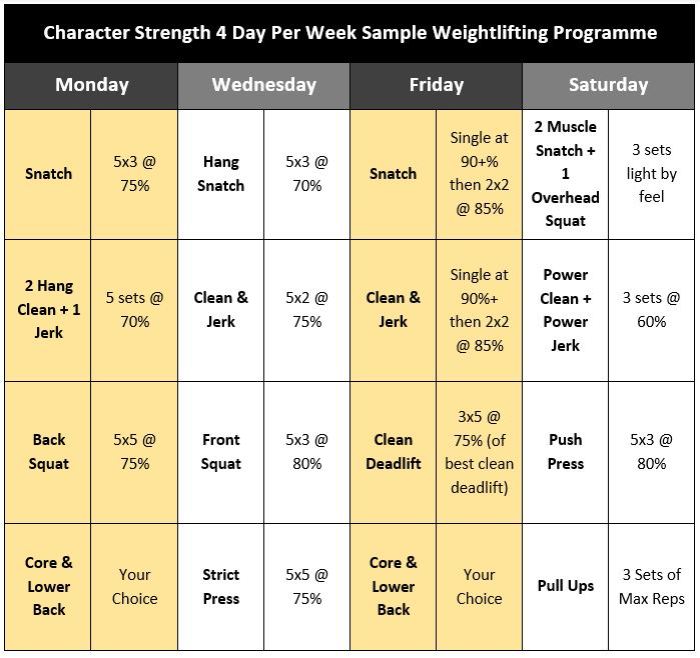
Weightlifting is a form of strength training that involves lifting weights to build muscle strength and endurance. This type of exercise is essential for increasing muscle mass, improving bone density, and boosting metabolism.
Consistency in weightlifting routines is key to achieving strength gains. By regularly engaging in weightlifting exercises, individuals can gradually increase the amount of weight lifted, leading to continuous progress and improved strength levels over time.
Benefits of Weightlifting for Building Strength
- Increased Muscle Mass: Weightlifting helps to stimulate muscle growth, leading to greater strength and muscle definition.
- Improved Bone Density: Regular weightlifting can enhance bone density, reducing the risk of osteoporosis and fractures.
- Boosted Metabolism: Building muscle through weightlifting can increase metabolism, aiding in weight management and overall health.
- Enhanced Strength and Endurance: By consistently challenging muscles with weights, individuals can improve overall strength and endurance levels.
Designing an Effective Weightlifting Routine: How To Build Strength With A Weightlifting Routine
To build strength effectively with a weightlifting routine, it is essential to design a well-rounded plan that targets different muscle groups and incorporates progressive overload while prioritizing proper form and technique to prevent injuries.
Compound Exercises for Multiple Muscle Groups, How to build strength with a weightlifting routine
How to build strength with a weightlifting routine – Compound exercises are key in a weightlifting routine as they engage multiple muscle groups simultaneously, allowing for efficient and effective strength building. Some examples of compound exercises include:
- Squats: Targeting the quadriceps, hamstrings, glutes, and core.
- Deadlifts: Engaging the back, glutes, hamstrings, and core.
- Bench Press: Working the chest, shoulders, and triceps.
- Pull-Ups: Strengthening the back, biceps, and shoulders.
Importance of Progressive Overload
Progressive overload is crucial in a weightlifting routine as it involves gradually increasing the intensity, volume, or difficulty of your workouts to continue challenging your muscles for growth. This can be achieved by increasing weights, repetitions, or sets over time to ensure continuous progress and prevent plateaus in strength gains.
Significance of Proper Form and Technique
Proper form and technique play a vital role in weightlifting to prevent injuries and maximize the effectiveness of your workouts. It is essential to prioritize maintaining correct posture, alignment, and movement patterns while lifting weights to avoid strain on muscles and joints. Focusing on technique not only reduces the risk of injuries but also ensures that you are targeting the intended muscle groups for optimal strength development.
Nutrition for Strength Building
When it comes to building strength through weightlifting, nutrition plays a crucial role in supporting muscle recovery, growth, and overall performance. The right balance of macronutrients, timing of meals, and proper hydration can significantly impact your strength gains.
Role of Macronutrients in Muscle Recovery and Growth
Macronutrients, including protein, carbohydrates, and fats, are essential for muscle recovery and growth. Protein is especially important as it provides the building blocks (amino acids) necessary for muscle repair and growth. Carbohydrates serve as the primary source of energy during workouts, while fats play a role in hormone production and overall health.
- Protein: Aim to consume high-quality protein sources such as lean meats, poultry, fish, eggs, dairy, and plant-based sources like legumes and tofu to support muscle recovery and growth.
- Carbohydrates: Include complex carbohydrates like whole grains, fruits, and vegetables in your meals to fuel your workouts and replenish glycogen stores.
- Fats: Opt for healthy fats from sources like avocados, nuts, seeds, and olive oil to support overall health and hormone function.
Importance of Pre and Post-Workout Nutrition
Pre and post-workout nutrition is crucial for optimizing strength gains and supporting muscle recovery. Consuming the right nutrients before and after your workout can enhance performance, reduce muscle breakdown, and promote muscle repair.
- Pre-Workout: Prior to your workout, focus on consuming a balanced meal containing carbohydrates for energy and protein for muscle support. Consider options like a banana with nut butter or a protein smoothie.
- Post-Workout: After your workout, refuel with a combination of protein and carbohydrates to aid in muscle recovery and replenish glycogen stores. Examples include a chicken and quinoa bowl or a protein shake with fruits.
Significance of Hydration in Weightlifting
Hydration is often overlooked but is essential for supporting muscle function during weightlifting sessions. Dehydration can lead to decreased performance, muscle cramps, and fatigue, impacting your strength gains.
- Stay Hydrated: Drink an adequate amount of water throughout the day and especially before, during, and after your workouts to maintain optimal hydration levels.
- Electrolytes: Consider incorporating electrolyte-rich drinks or foods to replenish electrolytes lost through sweat during intense weightlifting sessions.
Recovery and Rest in Weightlifting

Rest and recovery play a crucial role in any weightlifting routine as they are essential for muscle repair and growth. Ignoring rest days can lead to overtraining, fatigue, and even injury. Let’s explore the importance of rest days, strategies for improving sleep quality, and the role of stress management in weightlifting.
Importance of Rest Days
Rest days are vital for muscle recovery and growth. When you lift weights, you create tiny tears in your muscles. Rest days allow these tears to repair and strengthen, leading to muscle growth. Without adequate rest, your muscles do not have time to recover, which can hinder progress and increase the risk of injury.
Improving Sleep Quality
Quality sleep is essential for muscle recovery. During sleep, your body releases growth hormones that aid in muscle repair and growth. To improve sleep quality, establish a consistent sleep schedule, create a relaxing bedtime routine, avoid stimulants like caffeine before bed, and ensure your sleep environment is dark, quiet, and cool.
Role of Stress Management
Stress can negatively impact your workouts by increasing fatigue and hindering recovery. Incorporate stress management techniques such as deep breathing, meditation, or yoga into your routine to reduce stress levels. By managing stress effectively, you can prevent workout-related fatigue and optimize your performance in the gym.
FAQ Resource
How often should I weightlift to see results?
Consistency is key when it comes to weightlifting. Aim for at least 3-4 sessions per week to see significant improvements in strength.
Is it necessary to lift heavy weights to build strength?
While lifting heavier weights can lead to strength gains, focusing on proper form and technique is more important. Start with manageable weights and gradually increase as you progress.
What should I eat before and after a weightlifting session?
Before a workout, opt for a balanced meal with carbs and protein. Afterward, consume a protein-rich snack to aid in muscle recovery.


More Stories