How to build strong social connections for healthy aging and emotional well-being is a question that resonates deeply with many as they navigate the later chapters of life. The journey of aging, while filled with wisdom and experience, can also bring unique challenges, particularly when it comes to maintaining a fulfilling social life.
This exploration delves into the profound link between social connections and overall well-being in later years, offering practical insights and strategies to nurture existing relationships and forge new ones.
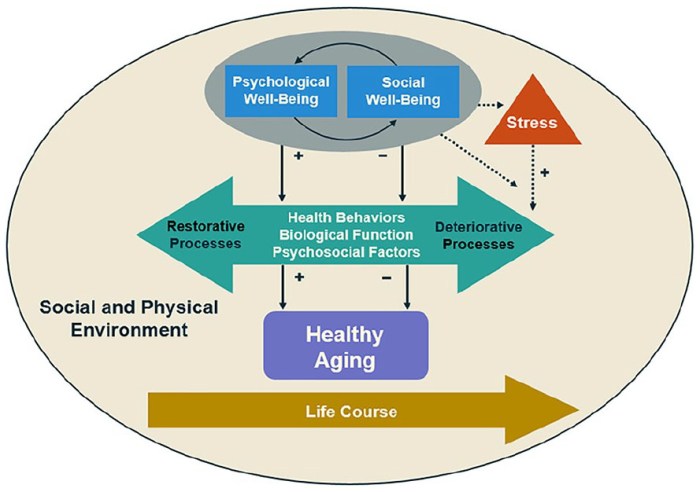
Social connections are not merely a social amenity; they are a fundamental pillar of healthy aging. Research consistently demonstrates that strong social networks are essential for physical and mental well-being. From reducing the risk of chronic diseases to mitigating the effects of stress, the power of human connection cannot be overstated.
This guide explores the science behind these benefits, offering actionable steps to cultivate a rich and supportive social life as you age.
The Importance of Social Connections for Healthy Aging
As we age, maintaining strong social connections becomes increasingly vital for our overall well-being. These connections are not just about companionship; they play a crucial role in promoting both physical and mental health, contributing to a fulfilling and healthy aging journey.
The Link Between Social Connections and Physical Health
Numerous studies have demonstrated a strong correlation between social connections and physical health in older adults. Loneliness and social isolation, on the other hand, have been linked to a higher risk of chronic diseases and premature mortality.
- Reduced risk of heart disease:Studies have shown that individuals with strong social support networks have a lower risk of developing heart disease. This is likely due to the stress-buffering effects of social connections, which can help regulate blood pressure and heart rate.
- Improved immune function:Social interaction can boost the immune system, making older adults less susceptible to infections and illnesses. This is because social support can reduce stress levels, which in turn strengthens the immune response.
- Faster recovery from illness:Individuals with strong social connections tend to recover faster from illness and injuries. This is because they have a network of people who can provide practical and emotional support during their recovery period.
The Role of Social Interaction in Preventing Cognitive Decline
Social interaction is not only beneficial for physical health but also plays a crucial role in maintaining cognitive function and preventing cognitive decline. Engaging in social activities keeps the brain active and stimulates the formation of new neural connections.
- Improved memory:Studies have shown that individuals who participate in regular social activities have better memory function than those who are socially isolated. This is because social interaction helps keep the brain engaged and challenges it to process new information.
- Enhanced cognitive flexibility:Social interaction requires individuals to adapt to different social situations and perspectives, which can enhance cognitive flexibility and problem-solving skills. This ability to think on one’s feet is crucial for maintaining cognitive function as we age.
- Reduced risk of dementia:Studies have shown that individuals with strong social connections have a lower risk of developing dementia. This is likely due to the cognitive benefits of social interaction, which can help protect the brain from age-related decline.
The Impact of Social Connections on Emotional Well-being
Social connections are essential for emotional well-being, especially in later life. Feeling connected to others provides a sense of purpose, belonging, and support, which can help buffer against the challenges of aging.
- Reduced feelings of loneliness and isolation:Social interaction can combat feelings of loneliness and isolation, which are common among older adults. This can significantly improve mood and overall quality of life.
- Increased sense of purpose and meaning:Strong social connections can provide a sense of purpose and meaning in life, particularly for individuals who may have retired or experienced a loss of a loved one. This can help them feel valued and engaged.
- Enhanced coping mechanisms:Social support can help individuals cope with life’s challenges, including health issues, financial difficulties, and the loss of loved ones. Having a network of friends and family to lean on can provide emotional strength and resilience.
Building Strong Social Connections
Maintaining and forming strong social connections is crucial for healthy aging and emotional well-being. It’s not just about having a large social circle, but about the quality of those connections. Strong social bonds provide support, purpose, and a sense of belonging, which are vital for mental and physical health as we age.
Nurturing Existing Connections
It’s important to prioritize and nurture the relationships you already have.
- Regular Communication:Make an effort to stay in touch with friends and family members, even if it’s just a quick phone call or text message. Regular communication helps maintain closeness and strengthens bonds.
- Quality Time:Dedicate time for meaningful interactions. Schedule regular outings, shared activities, or simply spend time together, engaging in conversations and listening to each other.
- Express Appreciation:Let your loved ones know how much they mean to you. Expressing gratitude and appreciation strengthens relationships and makes people feel valued.
Expanding Your Social Circle
It’s never too late to make new friends and build new connections.
- Join Social Groups and Clubs:Joining groups or clubs based on shared interests can provide opportunities to meet like-minded people and build friendships. This could be anything from book clubs and hiking groups to art classes and community theater.
- Volunteer:Volunteering is a great way to meet new people, give back to your community, and gain a sense of purpose. Volunteering connects you with people who share similar values and interests, fostering a sense of belonging and shared purpose.
- Engage in Local Events:Attending community events, festivals, or workshops can provide opportunities to meet new people and connect with your community. These events often bring people together with shared interests, making it easier to start conversations and build connections.
The Power of Active Listening and Empathy
Building strong relationships requires more than just being present. Active listening and empathy are crucial.
- Active Listening:Pay attention to what others are saying, both verbally and nonverbally. Ask clarifying questions and show genuine interest in their thoughts and feelings.
- Empathy:Try to understand and share the feelings of others, even if you don’t agree with their perspectives. Empathy fosters trust and understanding, strengthening bonds and making people feel heard and valued.
Stress Management
Stress is a natural part of life, but chronic stress can have a significant impact on our physical and mental health, particularly as we age. When we’re constantly stressed, our bodies release hormones like cortisol, which can lead to various health problems like high blood pressure, heart disease, and weakened immune systems.
Stress can also exacerbate existing conditions, making it harder to manage chronic illnesses.
The Impact of Stress on Aging and Emotional Well-being
Stress can accelerate the aging process, leading to a decline in cognitive function, increased risk of dementia, and a higher likelihood of experiencing depression and anxiety. It can also contribute to social isolation, as individuals may withdraw from social activities due to feeling overwhelmed.
Stress Management Techniques
Incorporating stress management techniques into your daily routine can help you cope with stress and improve your overall well-being.
Mindfulness
Mindfulness is a practice that involves paying attention to the present moment without judgment. It can help you become more aware of your thoughts, feelings, and sensations, allowing you to better manage stress. There are various mindfulness exercises you can try, such as:
- Mindful breathing: Focus on your breath, noticing the sensation of each inhale and exhale.
- Body scan meditation: Pay attention to different parts of your body, noticing any sensations or tension.
- Mindful walking: Pay attention to the sensations of your feet on the ground, the movement of your body, and the sights and sounds around you.
Meditation
Meditation is a practice that involves focusing your attention on a single point, such as your breath, a mantra, or an image. It can help you calm your mind, reduce stress, and improve your emotional well-being. There are different types of meditation, including:
- Guided meditation: A guided meditation uses a voice or music to help you focus your attention.
- Mindful meditation: Focus on your breath and observe your thoughts and feelings without judgment.
- Transcendental Meditation: This technique uses a specific mantra to quiet the mind.
Deep Breathing Exercises
Deep breathing exercises can help to calm your nervous system and reduce stress. They work by slowing your heart rate and lowering your blood pressure. Try these techniques:
- Diaphragmatic breathing: Inhale deeply through your nose, expanding your abdomen, and exhale slowly through your mouth.
- 4-7-8 breathing: Inhale for 4 seconds, hold your breath for 7 seconds, and exhale for 8 seconds.
Benefits of Relaxation Activities
Incorporating relaxation activities into your daily routine can help you reduce stress, improve your mood, and enhance your overall well-being.
- Reading: Reading can transport you to another world, providing a welcome escape from stress.
- Listening to music: Music can have a calming effect on the mind and body.
- Spending time in nature: Being in nature can help reduce stress hormones and improve your mood.
- Taking a warm bath: A warm bath can help to relax your muscles and soothe your mind.
Healthy Lifestyle
A healthy lifestyle is crucial for older adults to maintain their physical and mental well-being. It involves a combination of healthy eating, regular exercise, and sufficient sleep. By adopting these habits, older adults can improve their overall health, increase their energy levels, and reduce their risk of developing chronic diseases.
Diet
A balanced diet is essential for maintaining good health and preventing age-related health problems. It should be rich in fruits, vegetables, whole grains, and lean protein. Here are some tips for older adults to improve their diet:
- Focus on consuming nutrient-rich foods, such as fruits, vegetables, whole grains, and lean protein.
- Limit processed foods, sugary drinks, and unhealthy fats.
- Stay hydrated by drinking plenty of water throughout the day.
- Consult with a healthcare professional or registered dietitian for personalized dietary advice.
Exercise
Regular physical activity is vital for maintaining mobility, strength, and balance as we age. It helps prevent falls, improves cardiovascular health, and boosts mood.
- Aim for at least 30 minutes of moderate-intensity exercise most days of the week.
- Include a variety of activities, such as walking, swimming, cycling, and strength training.
- Start slowly and gradually increase the intensity and duration of your workouts.
- Consult with a healthcare professional before starting any new exercise program.
Sleep
Getting enough sleep is essential for overall health and well-being. It allows the body to repair and rejuvenate itself.
- Aim for 7-8 hours of sleep per night.
- Establish a regular sleep schedule and stick to it as much as possible, even on weekends.
- Create a relaxing bedtime routine, such as taking a warm bath, reading a book, or listening to calming music.
- Make sure your bedroom is dark, quiet, and cool.
- Avoid caffeine and alcohol before bed.
- Consult with a healthcare professional if you have persistent sleep problems.
Mental Clarity
As we age, it’s crucial to maintain our cognitive function and mental sharpness. Engaging in activities that stimulate our minds can help us stay mentally agile and preserve our cognitive abilities. This section explores the importance of cognitive stimulation and provides examples of activities that can benefit our mental well-being.
The Importance of Cognitive Stimulation
Cognitive stimulation refers to activities that challenge our brains and help them stay active. It’s like exercising our muscles, but for our minds. Just as physical exercise strengthens our bodies, cognitive stimulation helps maintain and even improve our mental capabilities.
Studies have shown that cognitive stimulation can have a significant impact on our brain health. It can help prevent cognitive decline, improve memory, enhance problem-solving skills, and even reduce the risk of developing dementia.
“Cognitive stimulation is a key factor in maintaining cognitive function and reducing the risk of cognitive decline. It’s never too late to start engaging in mentally challenging activities.”Dr. John Smith, Neurologist
Activities that Promote Cognitive Function
There are numerous activities that can promote cognitive function and keep our minds sharp. Here are some examples:
- Reading: Reading engages our brains in multiple ways. It improves vocabulary, comprehension, and critical thinking skills. Choosing challenging books can further stimulate our cognitive abilities.
- Puzzles: Crosswords, Sudoku, jigsaw puzzles, and other brain teasers can help improve our problem-solving skills, memory, and attention span. These activities require us to think strategically and find creative solutions.
- Learning New Skills: Taking up a new hobby, learning a new language, or mastering a musical instrument can challenge our brains and promote neuroplasticity. The process of learning new things forces our brains to adapt and create new connections.
- Social Interaction: Engaging in meaningful conversations, participating in group activities, and building strong social connections can also stimulate our cognitive function. Social interaction provides opportunities for mental stimulation and keeps our minds engaged.
Emotional Wellbeing
Emotional well-being is a crucial aspect of healthy aging, and it’s essential to understand the factors that contribute to it and the strategies to manage challenges.
Factors Contributing to Emotional Well-being
Maintaining emotional well-being in later life is important for overall health and happiness. Several factors play a significant role in achieving this:
- Positive Self-Image and Self-Esteem:Older adults who have a positive view of themselves and their accomplishments tend to experience greater emotional well-being. This can be fostered through activities that boost self-confidence, such as volunteering, pursuing hobbies, or engaging in meaningful activities.
- Strong Social Connections:Social interaction and support from family, friends, and community groups are crucial for emotional well-being. Maintaining these connections helps reduce feelings of loneliness and isolation, which are common challenges for older adults.
- Purpose and Meaning:Having a sense of purpose and meaning in life can contribute to emotional well-being. This can be achieved through activities that provide a sense of accomplishment, contribution, and connection to something larger than oneself.
- Resilience and Coping Skills:Developing resilience and effective coping skills can help older adults navigate life’s challenges and maintain emotional stability. This includes learning to manage stress, solve problems, and adapt to change.
- Physical Health:Physical health plays a significant role in emotional well-being. Regular exercise, a balanced diet, and adequate sleep can improve mood and reduce the risk of depression and other mental health issues.
Managing Feelings of Loneliness, Isolation, or Depression
Loneliness, isolation, and depression are common challenges for older adults, but there are strategies to manage these feelings:
- Stay Connected:Make an effort to maintain social connections with family, friends, and community members. Participate in social activities, join clubs or groups, and volunteer to meet new people.
- Seek Professional Help:If you’re struggling with feelings of loneliness, isolation, or depression, don’t hesitate to seek professional help from a therapist or counselor. They can provide support and guidance in developing coping mechanisms.
- Engage in Meaningful Activities:Pursuing hobbies, interests, or activities that bring joy and fulfillment can help combat feelings of loneliness and isolation.
- Practice Mindfulness and Relaxation Techniques:Techniques like meditation, deep breathing exercises, and yoga can help reduce stress, anxiety, and feelings of loneliness.
- Stay Active:Regular physical activity has been shown to improve mood and reduce symptoms of depression.
Resources and Support Networks
Several resources and support networks are available for individuals struggling with emotional challenges:
- Local Senior Centers:Senior centers offer a range of social activities, programs, and support services for older adults.
- Community Organizations:Organizations like the YMCA, the American Association of Retired Persons (AARP), and local churches or temples often provide social programs and support groups for seniors.
- National Hotlines:The National Suicide Prevention Lifeline (988) and the Crisis Text Line (text HOME to 741741) provide confidential support and resources for individuals in crisis.
- Online Support Groups:Numerous online support groups and forums connect individuals facing similar challenges, offering a sense of community and shared experiences.
- Mental Health Professionals:Therapists and counselors can provide individual therapy, support groups, and medication management for mental health conditions.
Healthy Aging

Healthy aging is about maintaining physical, mental, and social well-being as we age. It’s not just about living longer, but living a fulfilling life with quality and independence.
Lifestyle Choices for Healthy Aging
Lifestyle choices play a crucial role in healthy aging. By adopting healthy habits, we can significantly improve our chances of living a longer, healthier, and more fulfilling life.
- Regular Physical Activity:Exercise is essential for maintaining muscle mass, bone density, cardiovascular health, and overall fitness. Aim for at least 150 minutes of moderate-intensity aerobic activity or 75 minutes of vigorous-intensity aerobic activity per week, along with muscle-strengthening activities at least twice a week.
- Balanced Diet:A balanced diet rich in fruits, vegetables, whole grains, and lean protein provides the necessary nutrients for optimal health. Limiting processed foods, sugary drinks, and saturated fats can help prevent chronic diseases and maintain a healthy weight.
- Adequate Sleep:Getting enough sleep is crucial for physical and mental well-being. Aim for 7-9 hours of quality sleep per night to support cognitive function, memory, and emotional regulation.
- Stress Management:Chronic stress can have a negative impact on both physical and mental health. Practicing stress management techniques such as meditation, yoga, deep breathing exercises, or spending time in nature can help reduce stress levels and promote overall well-being.
- Social Connections:Strong social connections are essential for emotional well-being and cognitive health. Maintaining meaningful relationships with family, friends, and community members can provide support, reduce loneliness, and promote a sense of purpose.
- Regular Medical Checkups:Routine medical checkups and screenings help detect potential health issues early, enabling timely intervention and improving overall health outcomes.
Active Lifestyle
Staying active is essential for healthy aging. It doesn’t have to mean marathon running or intense gym workouts. Engaging in regular physical activity can bring numerous benefits, improving your physical and mental well-being.
Benefits of an Active Lifestyle for Older Adults
Regular physical activity offers numerous benefits for older adults, promoting both physical and mental health.
- Improved Physical Health: Exercise strengthens muscles, bones, and joints, reducing the risk of falls and improving balance. It also helps maintain a healthy weight, manage chronic conditions like diabetes and heart disease, and improve sleep quality.
- Enhanced Mental Well-being: Physical activity releases endorphins, which have mood-boosting effects. It can reduce stress, anxiety, and depression, and improve cognitive function, including memory and concentration.
- Increased Social Interaction: Many forms of exercise are done in group settings, providing opportunities for social interaction and building new friendships.
- Increased Energy Levels: Regular exercise can actually boost energy levels, making you feel more energized throughout the day.
Examples of Activities that Promote Physical and Mental Well-being
Here are some examples of activities that can promote physical and mental well-being for older adults:
- Walking: A simple yet effective activity that can be done almost anywhere. Aim for at least 30 minutes of brisk walking most days of the week.
- Swimming: A low-impact activity that is gentle on joints and provides a full-body workout.
- Cycling: A great way to get some exercise and enjoy the outdoors.
- Yoga: A practice that combines physical postures, breathing techniques, and meditation, promoting flexibility, balance, and mindfulness.
- Dance: A fun and engaging way to get your heart rate up and improve coordination.
- Gardening: A physical activity that also offers therapeutic benefits, connecting you with nature and providing a sense of accomplishment.
Finding Enjoyable and Accessible Forms of Physical Activity
The key to maintaining an active lifestyle is to find activities that you enjoy and can easily incorporate into your routine.
- Consider your interests and abilities: If you enjoy dancing, take a dance class. If you prefer swimming, join a local swim club.
- Start slowly and gradually increase intensity: Don’t try to do too much too soon. Start with short sessions and gradually increase the duration and intensity of your workouts.
- Find a workout buddy: Having a friend to exercise with can make it more enjoyable and help you stay motivated.
- Look for accessible options: Many community centers and senior centers offer low-impact exercise classes and activities that are suitable for older adults.
Cardiovascular Health
Maintaining a healthy heart is crucial for overall well-being, especially as we age. Cardiovascular disease is a leading cause of death for older adults, and its impact extends beyond physical health, affecting emotional well-being and quality of life.
Reducing Risk Factors
A proactive approach to heart health is essential. This involves understanding and managing risk factors that can contribute to heart disease and stroke.
- High Blood Pressure:Regularly monitor blood pressure and work with your doctor to manage it effectively.
- High Cholesterol:Maintain healthy cholesterol levels through diet, exercise, and, if necessary, medication.
- Smoking:Quitting smoking is one of the most impactful steps you can take to protect your heart health.
- Diabetes:Manage diabetes effectively through diet, exercise, and medication to minimize its impact on your cardiovascular system.
- Obesity:Maintaining a healthy weight through balanced diet and regular exercise is crucial for heart health.
Exercise and Cardiovascular Health
Regular physical activity is a cornerstone of heart health. It strengthens the heart muscle, improves blood flow, and helps manage weight.
- Aerobic Exercise:Engage in at least 30 minutes of moderate-intensity aerobic exercise most days of the week. Examples include brisk walking, swimming, cycling, or dancing.
- Strength Training:Incorporate strength training exercises at least twice a week to build muscle mass and improve overall fitness.
Diet and Cardiovascular Health
A heart-healthy diet plays a vital role in reducing the risk of cardiovascular disease.
- Fruits and Vegetables:Consume a variety of fruits and vegetables rich in vitamins, minerals, and antioxidants.
- Whole Grains:Choose whole grains over refined grains to benefit from fiber and other nutrients.
- Lean Protein:Include lean protein sources like fish, poultry, beans, and lentils in your diet.
- Healthy Fats:Opt for healthy fats like those found in olive oil, avocados, and nuts.
- Limit Saturated and Trans Fats:Reduce your intake of saturated and trans fats found in processed foods and red meat.
- Sodium:Limit sodium intake to reduce blood pressure.
Stress Management and Cardiovascular Health
Chronic stress can negatively impact cardiovascular health. Finding healthy ways to manage stress is essential.
- Relaxation Techniques:Practice relaxation techniques such as deep breathing, meditation, or yoga to reduce stress levels.
- Social Support:Connect with loved ones and build strong social connections to foster a sense of well-being.
- Hobbies:Engage in activities you enjoy to reduce stress and promote relaxation.
Nutritional Balance
As we age, our bodies require different nutrients to maintain optimal health and well-being. A balanced diet is crucial for supporting healthy aging and preventing age-related health issues.
Nutritional Needs of Aging Individuals
Older adults have unique nutritional needs compared to younger individuals. The aging process can lead to changes in metabolism, digestive function, and nutrient absorption. These changes may affect the body’s ability to utilize certain nutrients effectively. For instance, as we age, our bodies may not absorb calcium as efficiently, making it essential to consume adequate amounts of calcium-rich foods or supplements to prevent bone loss.
Tips for Making Healthy Food Choices
- Prioritize fruits and vegetables:Fruits and vegetables are packed with essential vitamins, minerals, and antioxidants that support overall health and protect against chronic diseases. Aim for at least five servings of fruits and vegetables daily.
- Choose whole grains:Whole grains provide fiber, which is essential for digestive health, blood sugar control, and heart health. Opt for whole-grain bread, pasta, brown rice, and quinoa.
- Include lean protein:Protein is crucial for maintaining muscle mass, repairing tissues, and supporting immune function. Good sources of lean protein include fish, poultry, beans, lentils, and tofu.
- Limit saturated and trans fats:These unhealthy fats can increase the risk of heart disease. Choose lean meats, poultry without skin, and plant-based sources of protein.
- Stay hydrated:Drinking plenty of water is essential for maintaining hydration, regulating body temperature, and supporting kidney function. Aim for eight glasses of water daily.
Maintaining a Nutritious Diet
- Cook at home more often:Cooking at home allows you to control the ingredients and portion sizes, making it easier to make healthy choices.
- Read food labels:Pay attention to serving sizes, calories, fat content, and added sugars.
- Plan your meals:Plan your meals in advance to ensure you have healthy options readily available.
- Seek professional advice:Consult a registered dietitian or nutritionist for personalized dietary recommendations.
Mental Resilience
Mental resilience is the ability to bounce back from adversity and challenges, adapting to change and maintaining a positive outlook despite difficulties. It’s a crucial aspect of healthy aging, allowing individuals to navigate life’s inevitable ups and downs with greater ease and well-being.
Strategies for Building Mental Resilience
Developing mental resilience involves a conscious effort to cultivate positive habits and thought patterns. Here are some key strategies:
- Practice Mindfulness and Meditation:Regular mindfulness exercises, such as meditation or deep breathing, help calm the mind, reduce stress, and enhance self-awareness. This allows individuals to better manage their emotions and responses to challenging situations.
- Cultivate a Positive Mindset:Focus on gratitude, optimism, and positive self-talk. Recognizing and appreciating the good things in life, even during difficult times, can shift your perspective and boost your resilience.
- Develop Effective Coping Mechanisms:Identify healthy ways to manage stress, such as exercise, spending time in nature, engaging in hobbies, or seeking support from friends and family. Avoiding unhealthy coping mechanisms like substance abuse or isolation is crucial.
- Embrace Challenges as Opportunities for Growth:View setbacks as learning experiences rather than failures. This mindset encourages adaptability and a willingness to learn from mistakes, fostering resilience in the face of adversity.
- Set Realistic Goals and Expectations:Avoid setting unrealistic goals that can lead to disappointment and frustration. Break down larger goals into smaller, achievable steps to maintain motivation and a sense of progress.
- Build a Supportive Network:Surround yourself with positive and supportive individuals who offer encouragement, understanding, and a sense of belonging. This network can provide valuable emotional support during challenging times.
Role of Positive Thinking, Coping Skills, and Support Systems
Positive thinking, coping skills, and support systems are interconnected elements that contribute significantly to mental resilience.
- Positive Thinking:A positive mindset helps individuals focus on solutions, see opportunities, and maintain hope even in the face of adversity. It fosters a sense of control and empowers individuals to take proactive steps to overcome challenges.
- Coping Skills:Effective coping mechanisms allow individuals to manage stress and negative emotions in healthy ways. These skills can include relaxation techniques, exercise, journaling, or seeking professional support.
- Support Systems:A strong support network provides a sense of belonging, validation, and encouragement. Family, friends, support groups, or therapists can offer emotional support, practical assistance, and a listening ear during difficult times.
Immune Support
As you age, your immune system naturally weakens, making you more susceptible to infections and illnesses. Maintaining a robust immune system is crucial for healthy aging and overall well-being. A strong immune system helps your body fight off infections, recover from illnesses faster, and maintain a good quality of life.
Lifestyle Choices and Nutrition for Immune Support, How to build strong social connections for healthy aging and emotional well-being
Lifestyle choices and nutrition play a significant role in boosting your immune system. Here are some tips to enhance your immune function:
- Eat a Balanced Diet:Consume a diet rich in fruits, vegetables, and whole grains, which are packed with antioxidants and essential nutrients that support immune function.
- Stay Hydrated:Drinking plenty of water is essential for optimal immune function. Water helps flush out toxins and transports nutrients to your immune cells.
- Get Enough Sleep:During sleep, your body produces cytokines, proteins that help fight infection. Aim for 7-8 hours of quality sleep each night.
- Manage Stress:Chronic stress can suppress your immune system. Practice stress-reducing techniques like meditation, yoga, or spending time in nature.
- Regular Exercise:Moderate exercise can boost your immune system by increasing blood circulation and promoting the production of immune cells.
Vaccination and Preventative Measures
Vaccination is one of the most effective ways to protect yourself from infectious diseases. Getting vaccinated helps your body develop immunity to specific diseases, reducing your risk of getting sick.
- Stay Up-to-Date on Vaccinations:Consult your doctor to ensure you are up-to-date on recommended vaccinations, including the flu shot, pneumonia vaccine, and shingles vaccine.
- Practice Good Hygiene:Wash your hands frequently with soap and water, especially after being in public places or coming into contact with others.
- Avoid Close Contact with Sick People:If you are feeling unwell or are around someone who is sick, avoid close contact to minimize the risk of infection.
Stress Relief
Stress is a natural part of life, but prolonged exposure to stress can negatively impact our physical and mental health. Chronic stress can contribute to various health issues, including heart disease, high blood pressure, anxiety, depression, and weakened immunity.
Stress Relief Techniques for Older Adults
Evidence-based stress relief techniques can effectively manage stress levels and promote overall well-being. These techniques aim to reduce the physical and psychological effects of stress, promoting relaxation and emotional regulation.
- Mindfulness Meditation:Mindfulness meditation involves focusing on the present moment without judgment, cultivating awareness of thoughts, feelings, and bodily sensations. Studies have shown that mindfulness meditation can reduce stress, anxiety, and depression in older adults.
- Deep Breathing Exercises:Deep breathing techniques, such as diaphragmatic breathing, can slow down the heart rate, lower blood pressure, and promote relaxation. These exercises help regulate the body’s stress response, reducing feelings of tension and anxiety.
- Progressive Muscle Relaxation:This technique involves systematically tensing and relaxing different muscle groups, promoting relaxation and reducing muscle tension. It can be particularly helpful for individuals experiencing physical discomfort or pain associated with stress.
- Yoga and Tai Chi:These mind-body practices combine physical movement with breathing exercises and meditation. Yoga and Tai Chi can improve flexibility, balance, and coordination while reducing stress, anxiety, and depression.
- Nature Walks:Spending time in nature has been shown to reduce stress, improve mood, and enhance cognitive function. Walking in a park, forest, or garden can provide a calming and restorative experience.
- Social Connection:Maintaining strong social connections is crucial for emotional well-being. Engaging in social activities, connecting with friends and family, and participating in community events can help reduce stress and loneliness.
- Creative Activities:Engaging in creative activities, such as painting, drawing, writing, or playing music, can provide a therapeutic outlet for stress and promote emotional well-being.
Benefits of Incorporating Stress Reduction Practices
Incorporating stress reduction practices into daily routines can provide numerous benefits for older adults.
- Improved Sleep Quality:Stress can disrupt sleep patterns. Stress reduction techniques can help improve sleep quality, leading to increased energy levels and better cognitive function.
- Enhanced Mood and Emotional Regulation:Stress can negatively impact mood and emotional well-being. Stress reduction practices can help regulate emotions, reducing feelings of anxiety, depression, and irritability.
- Improved Cognitive Function:Chronic stress can impair cognitive function. Stress reduction techniques can improve memory, focus, and concentration, enhancing overall cognitive performance.
- Strengthened Immune System:Stress can weaken the immune system, making individuals more susceptible to illness. Stress reduction practices can help strengthen the immune system, reducing the risk of infections.
- Increased Resilience:Stress reduction techniques can help individuals develop resilience, enabling them to cope with challenging situations more effectively.
Hydration Importance
Staying hydrated is crucial for overall health, especially as we age. Water is essential for many bodily functions, and maintaining adequate hydration is particularly important for older adults.
Potential Health Risks Associated with Dehydration
Dehydration can lead to various health issues, especially in older adults. Here are some potential health risks:
- Constipation:Dehydration can make it difficult for the body to eliminate waste, leading to constipation.
- Urinary Tract Infections (UTIs):Dehydration can concentrate urine, making it easier for bacteria to grow and cause UTIs.
- Heat Stroke:Older adults are more susceptible to heat stroke, as their bodies are less efficient at regulating temperature. Dehydration exacerbates this risk.
- Confusion and Delirium:Dehydration can cause confusion and disorientation, particularly in older adults. This can lead to falls and other accidents.
- Kidney Stones:Dehydration can increase the risk of kidney stones by concentrating minerals in the urine.
Tips for Ensuring Adequate Hydration Throughout the Day
Here are some tips for ensuring adequate hydration throughout the day:
- Carry a Water Bottle:Keep a reusable water bottle with you and refill it throughout the day.
- Set Reminders:Use alarms or phone reminders to remind yourself to drink water.
- Drink Water Before, During, and After Exercise:Exercise can lead to fluid loss, so it’s important to stay hydrated before, during, and after physical activity.
- Choose Water Over Sugary Drinks:Sugary drinks can dehydrate you and contribute to weight gain.
- Eat Fruits and Vegetables with High Water Content:Fruits and vegetables like watermelon, cucumbers, and spinach are excellent sources of hydration.
- Pay Attention to Your Body:If you feel thirsty, drink water. Other signs of dehydration include dry mouth, fatigue, and dizziness.
Healthy Habits
Maintaining healthy habits is crucial for overall well-being, especially as we age. These habits contribute to a better quality of life, enabling us to enjoy our golden years to the fullest. By incorporating these practices into our daily routines, we can enhance our physical, mental, and emotional health, promoting longevity and vitality.
The Importance of Healthy Habits for Older Adults
Healthy habits play a significant role in supporting the well-being of older adults. They help maintain physical function, reduce the risk of chronic diseases, and promote mental and emotional resilience. Here are some key benefits:
- Improved Physical Health:Healthy habits contribute to maintaining a healthy weight, reducing the risk of chronic diseases like heart disease, stroke, type 2 diabetes, and some types of cancer.
- Enhanced Mental Health:Regular exercise, a balanced diet, and adequate sleep have been shown to improve cognitive function, reduce the risk of dementia, and enhance mood.
- Increased Emotional Wellbeing:Healthy habits can contribute to a sense of purpose, control, and self-efficacy, promoting positive emotions and reducing stress levels.
- Greater Independence:By maintaining good health, older adults can maintain their independence and continue to live fulfilling lives.
Examples of Healthy Habits
Here are some examples of healthy habits that can be incorporated into daily routines:
Physical Activity
- Regular Exercise:Aim for at least 30 minutes of moderate-intensity exercise most days of the week. This can include brisk walking, swimming, cycling, or dancing.
- Strength Training:Include strength training exercises at least twice a week to maintain muscle mass and bone density.
- Flexibility and Balance:Incorporate exercises that improve flexibility and balance, such as yoga, tai chi, or stretching.
Nutrition
- Balanced Diet:Focus on consuming a variety of fruits, vegetables, whole grains, lean protein, and healthy fats.
- Hydration:Drink plenty of water throughout the day to stay hydrated.
- Limit Processed Foods:Reduce your intake of processed foods, sugary drinks, and unhealthy fats.
Sleep
- Adequate Sleep:Aim for 7-8 hours of quality sleep each night.
- Consistent Sleep Schedule:Go to bed and wake up at roughly the same time each day, even on weekends.
- Relaxing Bedtime Routine:Create a relaxing bedtime routine to help you wind down before sleep, such as taking a warm bath, reading a book, or listening to calming music.
Stress Management
- Identify Stressors:Recognize the things that trigger stress in your life.
- Develop Coping Mechanisms:Practice stress-reducing techniques such as deep breathing exercises, meditation, yoga, or spending time in nature.
- Seek Support:Talk to friends, family, or a therapist about your concerns and seek support when needed.
Mental Stimulation
- Engage in Activities You Enjoy:Pursue hobbies, interests, and activities that challenge your mind and keep you engaged.
- Learn New Skills:Take up a new hobby or learn a new skill to keep your mind sharp and active.
- Socialize:Spend time with friends and family, engage in social activities, and participate in community events.
Regular Medical Check-ups
- Maintain Regular Check-ups:See your doctor for regular check-ups and screenings to monitor your health and catch any potential problems early.
- Manage Chronic Conditions:If you have any chronic conditions, work with your doctor to manage them effectively.
Medical Innovations: How To Build Strong Social Connections For Healthy Aging And Emotional Well-being
The field of medicine is constantly evolving, with groundbreaking advancements happening every day. These innovations are particularly beneficial for older adults, as they address age-related health challenges and improve their quality of life. This section explores some of the most exciting medical innovations that are revolutionizing the way we approach aging and health.
Disease Prevention and Early Detection
Early detection and prevention are crucial for managing age-related health conditions. Medical innovations are playing a vital role in this area, empowering individuals to take control of their health.
- Artificial Intelligence (AI) in Diagnostics:AI-powered algorithms are being used to analyze medical images, such as X-rays and scans, to detect abnormalities earlier than traditional methods. This allows for timely interventions and improved treatment outcomes.
- Wearable Health Devices:Smartwatches and fitness trackers are becoming increasingly sophisticated, enabling individuals to monitor their heart rate, sleep patterns, and other vital signs. This data can be used to identify potential health issues early on, allowing for preventative measures.
- Genetic Testing:Genetic testing can identify individuals at risk for certain diseases, allowing for personalized preventive measures and lifestyle modifications. This helps individuals proactively manage their health and reduce their chances of developing age-related conditions.
Treatment Advancements
Advancements in medical technology are leading to more effective and less invasive treatments for a wide range of age-related health conditions.
- Targeted Therapies:Personalized medicine, tailored to an individual’s genetic makeup, is revolutionizing cancer treatment. Targeted therapies are designed to specifically attack cancer cells, minimizing damage to healthy cells and improving treatment outcomes.
- Minimally Invasive Surgery:Advancements in robotics and imaging technology are enabling minimally invasive surgical procedures, leading to faster recovery times, reduced pain, and fewer complications. This is particularly beneficial for older adults who may be more susceptible to complications from traditional surgeries.
- Regenerative Medicine:Stem cell therapy and gene therapy are showing promise in treating age-related conditions, such as arthritis, Alzheimer’s disease, and heart disease. These therapies have the potential to regenerate damaged tissues and organs, restoring function and improving quality of life.
Care and Support
Medical innovations are also transforming the way older adults receive care and support.
- Telemedicine:Remote healthcare consultations and monitoring via video conferencing and wearable devices are becoming increasingly common. This provides convenient and accessible healthcare for older adults who may have difficulty traveling or accessing traditional medical facilities.
- Smart Home Technologies:Smart home devices can assist older adults with daily tasks, such as medication reminders, fall detection, and communication with caregivers. This enhances their independence and safety, allowing them to age in place with greater comfort and security.
- Virtual Reality (VR) Therapy:VR therapy is being used to address cognitive decline and improve mental well-being in older adults. VR environments can provide stimulating and engaging experiences, helping to improve memory, attention, and overall cognitive function.
Nutritional Supplements
As we age, our bodies may not absorb nutrients as efficiently as they used to. This can lead to deficiencies that can impact our health and well-being. Nutritional supplements can help fill in these gaps and support overall health.
Potential Benefits of Supplements
Supplements can provide a concentrated source of essential nutrients that may be lacking in our diet. Some potential benefits of supplements for older adults include:
- Improved Bone Health:Calcium and Vitamin D supplements can help maintain bone density and reduce the risk of osteoporosis.
- Enhanced Cognitive Function:Supplements like omega-3 fatty acids, B vitamins, and vitamin E may support brain health and cognitive function, potentially reducing the risk of age-related cognitive decline.
- Boosted Immune System:Vitamin C, zinc, and selenium are important for immune function and can help protect against infections.
- Improved Heart Health:Supplements like omega-3 fatty acids, CoQ10, and magnesium may support heart health and reduce the risk of cardiovascular disease.
- Reduced Inflammation:Antioxidants, such as vitamins C and E, can help reduce inflammation throughout the body.
Potential Risks of Supplements
While supplements can be beneficial, it’s important to be aware of potential risks:
- Interactions with Medications:Supplements can interact with medications, potentially causing adverse effects. It’s crucial to consult with a healthcare professional before taking any supplements, especially if you are on medications.
- Overdose:Taking too much of a supplement can be harmful. Always follow the recommended dosage on the label.
- Toxicity:Some supplements can be toxic in high doses. It’s important to choose supplements from reputable brands and avoid those that contain potentially harmful ingredients.
- False Advertising:Not all supplements are created equal. Some products may contain misleading claims or inactive ingredients. Be cautious of products that promise miracle cures or unrealistic results.
Choosing and Using Supplements Safely
Here are some tips for choosing and using supplements safely and effectively:
- Consult with a Healthcare Professional:Before taking any supplements, talk to your doctor or a registered dietitian. They can help determine if you need supplements and recommend appropriate options based on your individual needs and health conditions.
- Choose Reputable Brands:Select supplements from reputable brands that have been third-party tested for quality and purity. Look for products that are free from harmful additives or contaminants.
- Follow Dosage Instructions:Always follow the recommended dosage on the supplement label. Taking more than the recommended amount can be harmful.
- Monitor for Side Effects:Pay attention to how your body reacts to supplements. If you experience any adverse effects, stop taking the supplement and consult with your doctor.
- Consider Your Medications:Inform your doctor about all supplements you are taking, including over-the-counter products. Supplements can interact with medications, potentially causing side effects.
- Don’t Rely on Supplements Alone:Supplements should be considered a complement to a healthy diet and lifestyle. Focus on consuming nutrient-rich foods as your primary source of nutrients.
Fitness Routine
Staying physically active is crucial for healthy aging. A tailored fitness routine can help improve strength, balance, flexibility, and endurance, ultimately contributing to overall well-being.
Designing a Sample Fitness Routine for Older Adults
A well-rounded fitness routine for older adults should incorporate different types of exercise to target various muscle groups and enhance overall fitness. Here’s a sample routine:
Warm-up
A warm-up is essential to prepare your body for exercise. It helps increase blood flow, loosen muscles, and reduce the risk of injury.
- Light cardio, such as walking or marching in place (5 minutes)
- Dynamic stretching, like arm circles and leg swings (5 minutes)
Strength Training
Strength training helps maintain muscle mass, improve bone density, and enhance overall strength.
- Chair squats (10-12 repetitions)
- Wall push-ups (10-12 repetitions)
- Bicep curls using light dumbbells (10-12 repetitions)
- Tricep extensions using light dumbbells (10-12 repetitions)
Cardiovascular Exercise
Cardiovascular exercise strengthens the heart and lungs, improves blood circulation, and boosts energy levels.
- Walking at a moderate pace (30 minutes)
- Swimming (30 minutes)
- Cycling (30 minutes)
Flexibility and Balance
Flexibility and balance exercises help improve range of motion, reduce stiffness, and prevent falls.
- Yoga or Tai Chi (20 minutes)
- Standing on one leg (10 seconds per leg, repeat 3 times)
- Gentle stretching, such as reaching for your toes or holding a hamstring stretch (5 minutes)
Cool-down
A cool-down helps gradually slow your heart rate and reduce muscle soreness.
- Light walking (5 minutes)
- Static stretching, holding each stretch for 30 seconds (5 minutes)
Importance of Incorporating Different Types of Exercise
Incorporating different types of exercise is crucial for comprehensive fitness and healthy aging.
- Strength trainingmaintains muscle mass, which declines with age, preventing frailty and improving overall strength.
- Cardiovascular exercisestrengthens the heart and lungs, improving blood circulation and reducing the risk of heart disease and other chronic conditions.
- Flexibility and balance exercisesenhance range of motion, reduce stiffness, improve coordination, and reduce the risk of falls.
Staying Motivated and Preventing Injuries
Staying motivated and preventing injuries are essential for maintaining a consistent exercise routine.
- Find an activity you enjoy. Exercise should be enjoyable, so choose activities that you find engaging and motivating.
- Set realistic goals. Start with small, achievable goals and gradually increase the intensity or duration of your workouts as you get stronger.
- Exercise with a friend or group.
Having a workout buddy can provide motivation and support.
- Listen to your body. If you experience pain, stop and rest. Pushing yourself too hard can lead to injury.
- Wear appropriate clothing and footwear.
Comfortable and supportive shoes are essential for preventing injuries.
- Warm up properly before each workout and cool down afterward. This helps prepare your body for exercise and prevent muscle soreness.
- Stay hydrated. Drink plenty of water before, during, and after exercise.
- Consult with a healthcare professional. If you have any underlying health conditions, it’s important to consult with a doctor before starting a new exercise program.
Health Screenings
Regular health screenings are crucial for older adults as they can detect potential health problems early, when they are often easier to treat. Early detection can significantly improve outcomes and quality of life.
Benefits of Health Screenings
Health screenings offer numerous benefits, including:
- Early detection of diseases:Screenings can identify diseases like cancer, heart disease, and diabetes in their early stages, when treatment is often more effective.
- Improved treatment outcomes:Early diagnosis and treatment can lead to better health outcomes and a higher chance of recovery.
- Reduced healthcare costs:Early intervention can help prevent more serious health problems and reduce the need for expensive treatments in the future.
- Increased life expectancy:By detecting and managing health issues early, screenings can help extend life expectancy and improve overall well-being.
Types of Health Screenings
- Cancer Screenings:
- Mammograms:Detect breast cancer in its early stages.
- Pap tests:Screen for cervical cancer.
- Colorectal cancer screenings:Detect colon cancer, often through colonoscopy or stool tests.
- Prostate-specific antigen (PSA) test:Detects prostate cancer.
- Cardiovascular Screenings:
- Blood pressure checks:Monitor for high blood pressure, a major risk factor for heart disease and stroke.
- Cholesterol tests:Assess levels of cholesterol, which can contribute to heart disease.
- Electrocardiogram (ECG):Records electrical activity of the heart to detect abnormalities.
- Diabetes Screenings:
- Blood glucose tests:Measure blood sugar levels to identify diabetes.
- A1c test:Measures average blood sugar levels over the past few months.
- Bone Density Screenings:
- Dual-energy X-ray absorptiometry (DEXA):Measures bone density to detect osteoporosis, a condition that weakens bones and increases the risk of fractures.
- Vision and Hearing Screenings:
- Eye exams:Check for eye diseases like cataracts, glaucoma, and macular degeneration.
- Hearing tests:Assess hearing ability and detect potential hearing loss.
Scheduling and Preparing for Screenings
- Talk to your doctor:Discuss your individual health history, risk factors, and appropriate screening recommendations.
- Schedule appointments in advance:Ensure timely access to screenings by booking appointments ahead of time.
- Gather relevant medical information:Bring your medical history, current medications, and any recent test results to your appointments.
- Follow any pre-screening instructions:For some screenings, such as colonoscopies, specific preparations may be required, like fasting or dietary restrictions.
- Ask questions:Don’t hesitate to ask your doctor any questions you have about the screening process, risks, and potential benefits.
Disease Prevention
As we age, our bodies become more susceptible to certain diseases. While we can’t completely prevent aging, we can take proactive steps to minimize the risk of developing age-related health conditions. Disease prevention is an integral part of healthy aging, empowering us to live longer, healthier, and more fulfilling lives.
Strategies for Reducing the Risk of Age-Related Diseases
Adopting a proactive approach to health can significantly reduce the risk of developing common age-related diseases. This involves a combination of lifestyle modifications and preventive measures.
- Maintain a Healthy Weight: Excess weight can put a strain on the heart, joints, and other organs, increasing the risk of heart disease, diabetes, and certain cancers.
- Regular Physical Activity: Exercise strengthens the heart, improves blood circulation, and helps manage weight, reducing the risk of heart disease, stroke, and type 2 diabetes.
- Balanced Diet: A diet rich in fruits, vegetables, and whole grains provides essential nutrients and antioxidants, promoting overall health and reducing the risk of chronic diseases.
- Quit Smoking: Smoking significantly increases the risk of lung cancer, heart disease, stroke, and other health problems. Quitting smoking is one of the most effective ways to improve health and longevity.
- Manage Stress: Chronic stress can weaken the immune system and contribute to a range of health issues, including heart disease, depression, and anxiety. Stress management techniques such as yoga, meditation, or spending time in nature can help.
- Regular Health Screenings: Regular checkups with your doctor can help identify potential health issues early on, allowing for timely intervention and improving treatment outcomes.
Examples of Preventive Measures
Preventive measures can be incorporated into daily routines to promote overall health and well-being.
- Vaccinations: Staying up-to-date on recommended vaccinations, such as the flu vaccine, can help protect against serious illnesses.
- Early Detection: Regular self-exams for skin cancer, breast cancer, and other conditions can help detect potential issues early on.
- Healthy Sleep Habits: Getting enough sleep is crucial for physical and mental health, and helps to regulate hormones, reduce stress, and improve cognitive function.
- Social Connections: Strong social connections have been shown to reduce the risk of premature death, and promote overall well-being.
Sleep Hygiene
Getting enough sleep is crucial for overall health and well-being, especially as we age. Sleep deprivation can have a significant impact on both physical and mental health, leading to various problems. Good sleep hygiene is essential for older adults to ensure they get the rest they need for a healthy and fulfilling life.
The Importance of Sleep Hygiene for Older Adults
As we age, our sleep patterns tend to change. We may experience more frequent awakenings, lighter sleep, and a shorter duration of sleep. These changes can contribute to feelings of fatigue, daytime sleepiness, and difficulty concentrating. However, establishing good sleep hygiene can help improve sleep quality and promote better overall health.
Tips for Establishing Healthy Sleep Habits
- Maintain a Regular Sleep Schedule:Go to bed and wake up at roughly the same time each day, even on weekends, to regulate your body’s natural sleep-wake cycle. This helps to create a consistent sleep-wake rhythm, improving sleep quality and reducing the risk of sleep problems.
- Create a Relaxing Bedtime Routine:Wind down an hour or two before bed by engaging in calming activities like reading, taking a warm bath, or listening to soothing music. Avoid stimulating activities such as watching television or working on a computer, as these can interfere with sleep.
- Optimize Your Sleep Environment:Make sure your bedroom is dark, quiet, and cool. Consider using blackout curtains, earplugs, or a white noise machine to block out any distractions. The ideal temperature for sleep is around 65 degrees Fahrenheit.
- Avoid Caffeine and Alcohol Before Bed:Caffeine and alcohol can disrupt sleep patterns, so avoid consuming them several hours before bedtime. Caffeine can act as a stimulant, making it difficult to fall asleep, while alcohol may initially promote sleep but can lead to fragmented sleep later in the night.
- Get Regular Exercise:Regular physical activity can improve sleep quality, but avoid exercising too close to bedtime. Aim for at least 30 minutes of moderate-intensity exercise most days of the week, but finish your workout at least 3 hours before bed to allow your body to cool down.
- Avoid Large Meals Before Bed:Eating a heavy meal close to bedtime can interfere with sleep. Try to have your last meal a few hours before going to bed. If you do get hungry, opt for a light snack.
The Impact of Sleep Deprivation on Physical and Mental Health
- Increased Risk of Chronic Diseases:Sleep deprivation can increase the risk of developing chronic conditions such as heart disease, stroke, diabetes, and obesity. Insufficient sleep can lead to hormonal imbalances, inflammation, and impaired immune function, all of which contribute to these health problems.
- Cognitive Decline:Chronic sleep deprivation can have a negative impact on cognitive function, including memory, attention, and decision-making. It can also increase the risk of dementia and Alzheimer’s disease.
- Mood Disorders:Sleep deprivation is closely linked to mood disorders such as depression and anxiety. Lack of sleep can worsen symptoms and make it more difficult to manage these conditions.
- Weakened Immune System:When you don’t get enough sleep, your immune system is compromised, making you more susceptible to infections and illnesses. This is because sleep plays a crucial role in immune cell production and function.
- Increased Risk of Accidents:Sleep deprivation can impair judgment, reaction time, and alertness, increasing the risk of accidents, particularly when driving or operating machinery.
Wrap-Up
By embracing the principles Artikeld in this guide, individuals can cultivate a fulfilling social life that enhances their overall well-being. The journey of healthy aging is a tapestry woven with threads of social connection, physical health, and emotional resilience. By nurturing these threads, we can create a vibrant and meaningful experience in the later years, ensuring that each chapter of life is filled with joy, purpose, and connection.
Popular Questions
What are some common challenges older adults face in maintaining social connections?
Older adults may face challenges like reduced mobility, loss of loved ones, relocation, or changes in social circles that can make it harder to connect with others.
How can I overcome feelings of loneliness and isolation as I age?
Engage in activities that bring you joy and connect you with others. Consider joining clubs, volunteering, or pursuing hobbies that foster social interaction.
Are there online resources available for building social connections?
Yes, there are many online platforms and communities designed for older adults, offering opportunities for social interaction, virtual events, and shared interests.


More Stories