Stress Management
Stress can have a significant impact on mental clarity, making it difficult to focus, think clearly, and make decisions. When we are stressed, our bodies release cortisol, a hormone that can impair cognitive function and cloud our thinking.
Techniques for Reducing Stress
- Practice deep breathing exercises: Deep breathing can help calm the nervous system and reduce stress levels.
- Engage in regular physical activity: Exercise releases endorphins, which can improve mood and reduce stress.
- Get enough sleep: Lack of sleep can exacerbate stress and negatively impact mental clarity.
- Try mindfulness meditation: Mindfulness practices can help increase awareness of the present moment and reduce stress levels.
- Establish boundaries: Setting boundaries and saying no when necessary can help prevent overwhelm and reduce stress.
Connection Between Mindfulness and Mental Clarity
Techniques for improving mental clarity – Mindfulness involves paying attention to the present moment without judgment. By practicing mindfulness, individuals can cultivate a sense of clarity, focus, and concentration. This increased awareness can help reduce stress and improve overall mental clarity.
Healthy Lifestyle
Maintaining a healthy lifestyle is essential for improving mental clarity. By adopting healthy habits, individuals can enhance their cognitive function and overall well-being.
Regular Exercise
Regular exercise plays a crucial role in improving mental clarity. Physical activity helps increase blood flow to the brain, promoting the growth of new brain cells and reducing the risk of cognitive decline. Exercise also releases endorphins, which are neurotransmitters that help improve mood and reduce stress levels.
Balanced Diet
A balanced diet is vital for promoting mental clarity. Consuming a variety of nutrient-rich foods, such as fruits, vegetables, whole grains, lean proteins, and healthy fats, provides the brain with essential nutrients needed for optimal function. Foods rich in antioxidants, omega-3 fatty acids, and vitamins can help protect brain cells and support cognitive health.
Medical Innovations
Medical innovations play a crucial role in enhancing mental clarity by utilizing advanced technologies and techniques to improve cognitive function.
Neurofeedback and Biofeedback Techniques
Neurofeedback and biofeedback are innovative techniques that help individuals enhance mental clarity by providing real-time information about their brain activity and physiological responses. Through these methods, individuals can learn to regulate their brainwaves and body functions, leading to improved focus, attention, and overall cognitive performance.
- Neurofeedback involves monitoring brainwave activity through sensors placed on the scalp. By receiving visual or auditory feedback based on their brainwave patterns, individuals can learn to control and optimize their brain function for better mental clarity.
- Biofeedback focuses on monitoring physiological responses such as heart rate, breathing, and muscle tension. By becoming aware of these bodily functions and learning to regulate them, individuals can reduce stress and anxiety levels, ultimately improving mental clarity and cognitive function.
Cognitive Training Programs
Cognitive training programs are designed to enhance mental clarity by targeting specific cognitive functions such as memory, attention, and problem-solving skills. These programs utilize structured exercises and activities to challenge and stimulate the brain, leading to improvements in cognitive performance over time.
- These programs may include tasks like puzzles, memory games, and attention exercises to help individuals sharpen their cognitive skills and enhance mental clarity.
- By engaging in regular cognitive training, individuals can strengthen neural connections, improve cognitive flexibility, and enhance overall brain function, resulting in better mental clarity and cognitive performance in various aspects of life.
Nutritional Supplements
Omega-3 fatty acids are essential nutrients that play a crucial role in brain function and development. They have been linked to improved mental clarity, cognitive function, and overall brain health. Incorporating omega-3 fatty acids into your diet through supplements like fish oil can help enhance focus, memory, and concentration.
Popular Cognitive-Boosting Supplements
- Fish Oil: Rich in omega-3 fatty acids, fish oil supplements are known to support brain health and improve cognitive function.
- Ginkgo Biloba: This herbal supplement is believed to enhance memory, focus, and overall cognitive performance.
- Bacopa Monnieri: Used in traditional medicine, Bacopa Monnieri is thought to improve memory, learning, and mental clarity.
Benefits of Vitamin B12, Techniques for improving mental clarity
Vitamin B12 is crucial for maintaining healthy nerve cells and producing DNA, both of which are essential for proper brain function. Adequate levels of vitamin B12 can help prevent cognitive decline, improve memory, and support mental clarity. Including vitamin B12 supplements or consuming foods rich in this vitamin can contribute to overall brain health and cognitive well-being.
Fitness Routine
Physical fitness plays a crucial role in enhancing mental clarity by improving blood flow to the brain, reducing stress hormones, and promoting the release of endorphins.
Incorporating Yoga or Meditation
Integrating yoga or meditation into your fitness routine can significantly boost mental clarity. These practices help calm the mind, improve focus, and reduce anxiety, leading to enhanced cognitive function.
- Start with a few minutes of meditation or yoga poses before or after your regular workout to center your mind and increase mindfulness.
- Join a yoga class or use guided meditation apps to help you stay consistent with these practices and reap their mental benefits.
- Practice deep breathing techniques during yoga or meditation sessions to enhance oxygen flow to the brain and promote relaxation.
Benefits of Aerobic Exercise
Aerobic exercise, such as running, swimming, or cycling, has been shown to have numerous benefits on cognitive function and mental clarity.
- Aerobic exercise increases blood flow to the brain, improving overall brain health and cognitive function.
- Regular aerobic exercise can boost mood, reduce stress, and enhance mental acuity, leading to improved focus and productivity.
- Engaging in aerobic exercise releases endorphins, which are known as “feel-good” hormones, promoting a positive mindset and mental clarity.
Health Screenings
Routine health screenings play a crucial role in maintaining mental clarity by detecting potential health issues early on. Monitoring key indicators such as blood pressure and cholesterol levels can significantly impact cognitive function and overall well-being. Early detection through regular screenings can help prevent cognitive decline and ensure timely intervention if necessary.
Importance of Monitoring Blood Pressure and Cholesterol Levels
Regularly monitoring blood pressure and cholesterol levels is essential for maintaining mental clarity. High blood pressure and cholesterol levels can contribute to cognitive impairment and increase the risk of developing conditions such as stroke or heart disease. By keeping these levels in check through screenings, individuals can better manage their overall health and reduce the likelihood of cognitive decline.
- High blood pressure can lead to reduced blood flow to the brain, affecting cognitive function and increasing the risk of vascular dementia.
- Elevated cholesterol levels can contribute to the buildup of plaque in the arteries, restricting blood flow to the brain and potentially causing cognitive impairment.
- Through routine screenings, individuals can identify these risk factors early and take necessary steps to address them, such as lifestyle modifications or medication.
Early Detection of Health Issues
Early detection of health issues through screenings is crucial for maintaining mental clarity and overall cognitive health. By identifying potential problems before they escalate, individuals can proactively manage their health and reduce the impact on cognitive function.
- Regular screenings can help detect conditions such as diabetes, thyroid disorders, and vitamin deficiencies that can affect cognitive function if left untreated.
- Early intervention based on screening results can prevent or delay the onset of cognitive decline associated with certain health conditions.
- Monitoring key health indicators through screenings allows individuals to take control of their health and make informed decisions to support their cognitive well-being.
Disease Prevention: Techniques For Improving Mental Clarity
Preventing chronic diseases plays a crucial role in maintaining optimal mental clarity. By avoiding conditions like diabetes or hypertension, individuals can significantly enhance their cognitive function and overall well-being. Lifestyle modifications are key in reducing the risk of cognitive impairment and promoting brain health.
Benefits of Disease Prevention for Mental Clarity
- Reduced inflammation: Chronic diseases often lead to systemic inflammation, which can negatively impact cognitive function. By preventing these conditions, individuals can lower inflammation levels and support brain health.
- Improved blood flow: Conditions like hypertension can restrict blood flow to the brain, affecting cognitive abilities. Disease prevention helps maintain proper circulation and oxygen supply to the brain, enhancing mental clarity.
- Enhanced brain resilience: Chronic diseases can increase the risk of neurodegenerative disorders, such as Alzheimer’s disease. By preventing these conditions, individuals can enhance their brain’s resilience and reduce the likelihood of cognitive decline.
Sleep Hygiene
Quality sleep plays a crucial role in maintaining optimal mental clarity. The relationship between sleep and cognitive function is significant, as lack of sleep can impair memory, concentration, and decision-making abilities.
Tips for Improving Sleep Hygiene
- Establish a regular sleep schedule by going to bed and waking up at the same time every day, even on weekends.
- Create a relaxing bedtime routine to signal to your body that it’s time to wind down, such as reading a book or taking a warm bath.
- Avoid caffeine, nicotine, and heavy meals close to bedtime, as they can disrupt your sleep.
- Make sure your sleep environment is conducive to relaxation, with a comfortable mattress, pillows, and a cool, dark room.
- Avoid screens like phones, tablets, and computers before bed, as the blue light can interfere with your body’s natural sleep-wake cycle.
Effects of Sleep Disorders on Mental Clarity
Sleep disorders, such as insomnia, sleep apnea, and restless leg syndrome, can have a detrimental impact on mental clarity. These conditions disrupt the quality of sleep, leading to daytime drowsiness, difficulty concentrating, and memory problems.
Mental Clarity
Mental clarity refers to the state of having a clear and focused mind, enabling better cognitive function and improved decision-making abilities. It involves the ability to concentrate, think clearly, and maintain a sharp memory.
Strategies for Improving Focus and Concentration
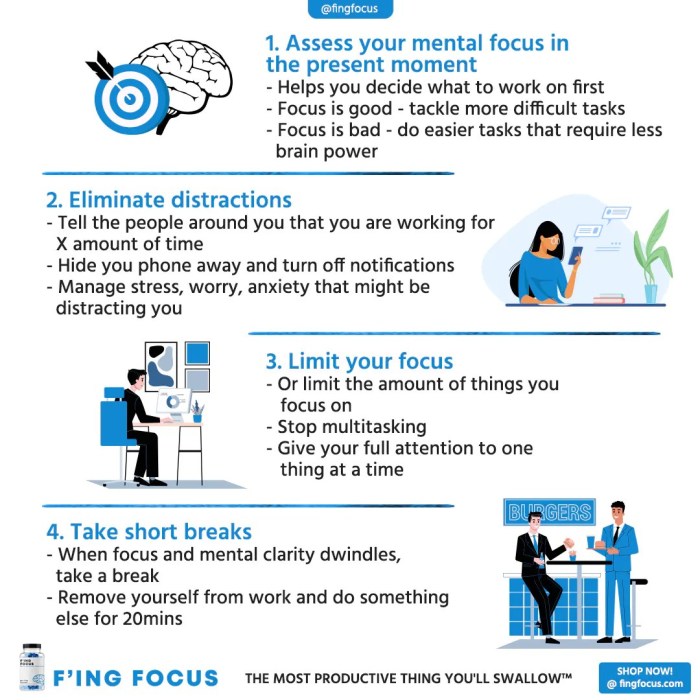
Enhancing focus and concentration can significantly boost mental clarity. Here are some strategies to achieve this:
- Avoid multitasking and focus on one task at a time to improve productivity.
- Practice mindfulness techniques such as meditation to calm the mind and enhance concentration.
- Get regular exercise to increase blood flow to the brain and improve cognitive function.
- Stay hydrated and maintain a balanced diet rich in brain-boosting nutrients like omega-3 fatty acids.
- Create a conducive work environment free from distractions to enhance focus.
Impact of Mental Health on Cognitive Performance
Mental health plays a crucial role in cognitive performance and overall mental clarity. Conditions like stress, anxiety, and depression can significantly impair cognitive function and hinder mental clarity. It is essential to prioritize mental well-being through practices like therapy, self-care, and stress management techniques to optimize cognitive performance.
Hydration Importance
Proper hydration plays a crucial role in cognitive function and mental clarity. When the body is dehydrated, it can negatively impact brain function, leading to decreased focus, alertness, and overall cognitive performance.
Maintaining Proper Hydration Levels
- Drink at least 8-10 glasses of water per day to ensure adequate hydration.
- Avoid excessive consumption of caffeinated or sugary beverages, as they can contribute to dehydration.
- Carry a reusable water bottle with you throughout the day to remind yourself to drink water regularly.
- Eat water-rich foods such as fruits and vegetables to supplement your fluid intake.
Signs of Dehydration and Effects on Mental Clarity
- Increased feelings of fatigue and lethargy are common signs of dehydration.
- Difficulty concentrating and poor memory retention can be exacerbated by dehydration.
- Headaches and dizziness are also indicators that the body may be lacking proper hydration.
- Reduced cognitive function and slower reaction times are linked to dehydration, affecting mental clarity.
Query Resolution
How does stress impact mental clarity?
Stress can cloud your mind and hinder focus and concentration, leading to reduced mental clarity.
What are some popular supplements known to boost cognitive function?
Popular supplements like ginkgo biloba and phosphatidylserine are known to enhance cognitive function and mental clarity.
How does hydration affect mental clarity?
Proper hydration is essential for optimal brain performance and cognitive function, ensuring clarity and focus.


More Stories
Improve Sleep: Best Stress Relief Tips for Relaxation
Create a Cardiovascular Health Plan for Long-Term Wellness
Create Your Personalized Disease Prevention Plan for Long-Term Health