Top health screenings recommended for adults over 40 are essential for maintaining optimal health and well-being. As we age, our bodies undergo changes that increase the risk of developing chronic diseases. Regular screenings can help detect these conditions early, when they are often easier to treat.
By understanding the importance of preventive care, we can take proactive steps to safeguard our health and enhance our quality of life.
This comprehensive guide delves into the essential screenings recommended for adults over 40, covering cardiovascular health, cancer, diabetes, mental health, and other vital aspects. We’ll explore the purpose, frequency, and potential benefits of each screening, providing valuable insights into maintaining optimal health throughout your 40s and beyond.
We’ll also discuss the importance of lifestyle modifications, including diet, exercise, stress management, and sleep, to complement your screening regimen and promote overall well-being.
Importance of Health Screenings After 40
Turning 40 marks a significant shift in our health journey. While we may feel relatively young and healthy, our bodies start to undergo changes that increase the risk of chronic diseases. This is why regular health screenings after 40 become crucial for maintaining good health and detecting potential problems early.
Increased Risk of Chronic Diseases After 40
The likelihood of developing chronic diseases like heart disease, diabetes, and cancer significantly increases after age 40. This is due to various factors, including lifestyle choices, genetics, and the natural aging process. For instance, the risk of developing heart disease increases with age due to factors like hardening of the arteries, high blood pressure, and high cholesterol.
Similarly, the risk of type 2 diabetes rises as our bodies become less sensitive to insulin, leading to elevated blood sugar levels. Cancer is also more common in older adults due to accumulated cellular damage and genetic mutations.
The Importance of Early Detection
Early detection is key to managing chronic diseases effectively. Regular health screenings allow doctors to identify potential health issues before they become serious, enabling timely interventions and improving treatment outcomes. Catching a disease early often means less aggressive treatment options and a higher chance of a full recovery.
Examples of Improved Health Outcomes
Many real-world examples illustrate the impact of early detection through screenings. For example, mammograms have been instrumental in detecting breast cancer at its early stages, leading to higher survival rates. Similarly, colonoscopies have helped identify precancerous polyps in the colon, allowing for their removal and preventing the development of colon cancer.
Early detection of diabetes through blood sugar tests enables individuals to manage their condition through lifestyle modifications, medication, or both, reducing the risk of complications like heart disease, kidney failure, and nerve damage.
Cancer Screenings
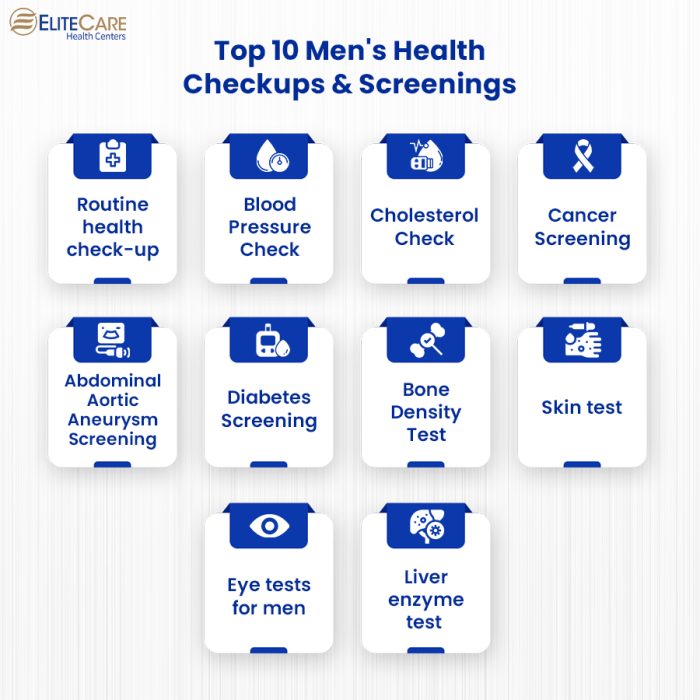
Cancer screenings are essential for early detection and treatment, significantly improving the chances of survival and recovery. As individuals age, the risk of developing certain cancers increases, making regular screenings even more critical.
Common Cancer Screenings
Cancer screenings aim to detect early signs of cancer before symptoms appear, allowing for prompt treatment and a better prognosis.
Mammograms
Mammograms are X-rays of the breast used to detect breast cancer in its early stages. The American Cancer Society recommends annual mammograms for women starting at age 45. Women with a higher risk of breast cancer, such as those with a family history or genetic mutations, may need to begin screenings earlier.
Colonoscopies
Colonoscopies are procedures that allow doctors to examine the entire colon and rectum for polyps and other abnormalities. The American Cancer Society recommends a colonoscopy every 10 years starting at age 45. Individuals with a family history of colorectal cancer or other risk factors may need more frequent screenings.
Prostate Exams
Prostate exams are used to check for prostate cancer, a common cancer in men. The American Cancer Society recommends that men discuss with their doctor about starting prostate cancer screenings at age 50. However, men with a higher risk of prostate cancer, such as those with a family history, may need to begin screenings earlier.
Other Cancer Screenings
In addition to mammograms, colonoscopies, and prostate exams, other cancer screenings are recommended for adults over 40, depending on individual risk factors. These may include:
- Pap tests for cervical cancer
- Skin exams for melanoma and other skin cancers
- Lung cancer screenings for high-risk individuals
- Blood tests for certain types of blood cancer
Frequency of Cancer Screenings
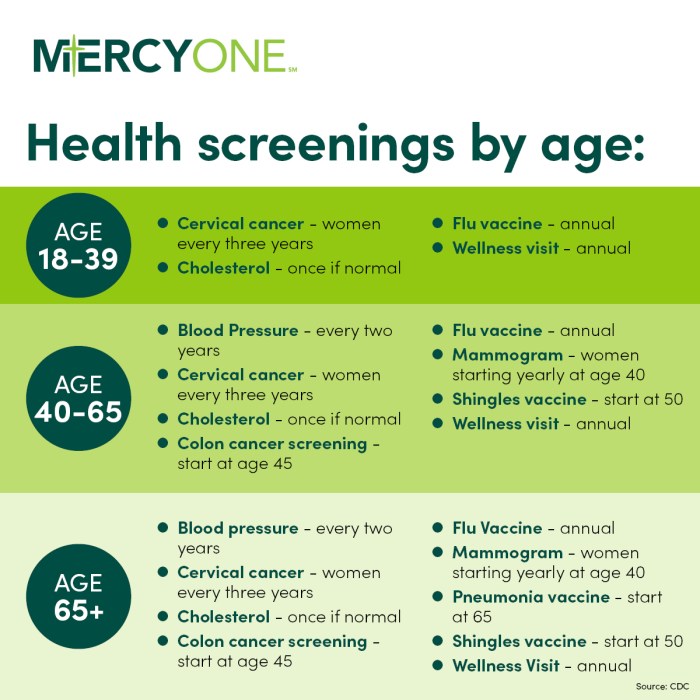
The recommended frequency for cancer screenings varies based on gender, age, and risk factors. Here is a table summarizing the general guidelines:
| Screening | Age | Frequency |
|---|---|---|
| Mammogram | 45-54 | Annual |
| 55 and older | Every 1-2 years | |
| Colonoscopy | 45-75 | Every 10 years |
| 76-85 | Every 10 years, or as advised by doctor | |
| Prostate Exam | 50 and older | Discuss with doctor |
It is important to note that these are general guidelines, and individual needs may vary. Consult with your doctor to determine the most appropriate screening schedule for you.
Diabetes Screenings
Diabetes is a chronic condition that affects how your body regulates blood sugar. After the age of 40, the risk of developing diabetes increases significantly. This is due to various factors, including lifestyle changes, family history, and the natural aging process.
It’s crucial to be aware of the potential risks and take proactive steps to maintain your health.
Types of Diabetes Tests
Diabetes screenings involve measuring your blood sugar levels to detect any abnormalities. There are two main types of tests commonly used:
- Fasting Blood Sugar Test:This test requires you to fast for at least 8 hours before giving a blood sample. A fasting blood sugar level of 100 mg/dL or higher on two separate occasions indicates diabetes.
- HbA1c Test:This test measures your average blood sugar level over the past 2-3 months. It reflects how well your blood sugar has been controlled. An HbA1c level of 6.5% or higher indicates diabetes.
Normal Ranges and Potential Complications
Maintaining healthy blood sugar levels is essential for overall well-being. Uncontrolled diabetes can lead to various complications, including:
| Blood Sugar Levels (mg/dL) | Potential Complications |
|---|---|
| Fasting: < 100 | None |
| Fasting: 100-125 | Prediabetes |
| Fasting: > 126 | Diabetes |
| After Meals: < 140 | None |
| After Meals: 140-199 | Prediabetes |
| After Meals: > 200 | Diabetes |
“Early detection and management of diabetes are crucial to prevent or delay complications. Regular screenings and healthy lifestyle choices can significantly reduce your risk.”
Mental Health Screenings
Life after 40 can bring new challenges and stressors, making mental health screenings more crucial than ever. While you might be used to physical checkups, taking care of your mental well-being is equally important. It’s essential to recognize that mental health issues can affect anyone, regardless of age or background.
Methods for Mental Health Screenings
Mental health screenings can help identify potential issues early, allowing for timely intervention and treatment. There are several methods for conducting these screenings, each offering unique benefits:
- Self-Assessment Questionnaires:These questionnaires are designed to be completed independently, allowing individuals to assess their own mental health. They typically involve a series of questions about mood, sleep, energy levels, and other aspects of mental well-being. Examples include the PHQ-9 for depression and the GAD-7 for anxiety.
- Professional Evaluations:These screenings involve a conversation with a mental health professional, such as a therapist, psychiatrist, or counselor. The professional will ask questions about your mental health history, current symptoms, and any concerns you may have. This allows for a more comprehensive assessment and personalized recommendations.
Benefits of Early Intervention
Early intervention and treatment for mental health conditions can significantly improve outcomes and quality of life. Here’s why:
- Reduced Severity of Symptoms:Early treatment can help prevent symptoms from worsening and becoming more challenging to manage. This can make a big difference in your overall well-being.
- Improved Quality of Life:By addressing mental health concerns, you can experience a greater sense of well-being, improved relationships, and enhanced ability to cope with stress.
- Prevention of Long-Term Complications:Untreated mental health conditions can lead to long-term complications, such as substance abuse, relationship problems, and even physical health issues. Early intervention can help prevent these complications.
Lifestyle Modifications for Optimal Health
After 40, prioritizing a healthy lifestyle becomes increasingly crucial for maintaining well-being and reducing the risk of chronic diseases. Incorporating healthy habits into your daily routine can significantly improve your overall health and quality of life. This section will explore practical tips for incorporating healthy habits into daily life, including regular exercise, balanced nutrition, and stress management techniques.
It will also provide a comprehensive guide to healthy lifestyle choices, encompassing diet, physical activity, sleep, and social connections.
Diet
A balanced diet plays a vital role in maintaining good health. It provides your body with the essential nutrients it needs to function properly. Here are some dietary recommendations for adults over 40:
- Focus on whole, unprocessed foods:Prioritize fruits, vegetables, whole grains, lean proteins, and healthy fats. These foods are rich in vitamins, minerals, and fiber, which are essential for optimal health.
- Limit processed foods, sugary drinks, and unhealthy fats:These foods are often high in calories, sugar, and unhealthy fats, which can contribute to weight gain, heart disease, and other health problems.
- Stay hydrated:Drink plenty of water throughout the day to help your body function properly and prevent dehydration.
- Consider a Mediterranean diet:This diet emphasizes fruits, vegetables, whole grains, legumes, nuts, and olive oil, and it has been linked to a lower risk of heart disease, stroke, and some types of cancer.
Physical Activity
Regular physical activity is essential for maintaining a healthy weight, improving cardiovascular health, and reducing the risk of chronic diseases. Aim for at least 150 minutes of moderate-intensity aerobic activity or 75 minutes of vigorous-intensity aerobic activity per week.
- Include a variety of activities:Engage in activities that you enjoy, such as walking, swimming, biking, dancing, or gardening. This will help you stay motivated and prevent boredom.
- Start gradually and increase intensity over time:If you are new to exercise, start with short sessions and gradually increase the duration and intensity. This will help you avoid injuries and make exercise a sustainable habit.
- Find a workout buddy:Having a workout partner can provide motivation and accountability, making it more likely that you will stick to your exercise routine.
Sleep
Getting enough sleep is crucial for both physical and mental health. Most adults need around 7-8 hours of sleep per night.
- Establish a regular sleep schedule:Go to bed and wake up at the same time each day, even on weekends. This will help regulate your body’s natural sleep-wake cycle.
- Create a relaxing bedtime routine:Engage in calming activities before bed, such as taking a warm bath, reading a book, or listening to relaxing music. Avoid screen time for at least an hour before bed, as the blue light emitted from electronic devices can interfere with sleep.
- Make sure your bedroom is dark, quiet, and cool:A comfortable sleep environment can promote better sleep.
Stress Management
Chronic stress can have a negative impact on both physical and mental health. It is important to find healthy ways to manage stress.
- Practice relaxation techniques:Techniques such as deep breathing, meditation, yoga, or tai chi can help reduce stress and promote relaxation.
- Engage in activities you enjoy:Spending time doing things you enjoy can help you de-stress and improve your mood.
- Connect with others:Social support can help buffer the effects of stress. Spend time with loved ones, join a club or group, or volunteer in your community.
Social Connections
Strong social connections are important for overall well-being.
- Make time for friends and family:Schedule regular time to connect with loved ones, whether it’s a phone call, a video chat, or an in-person visit.
- Join a club or group:This can help you meet new people and build relationships.
- Volunteer in your community:Volunteering can provide a sense of purpose and connection to others.
The Role of Nutrition
As you age, your nutritional needs change. Maintaining a balanced diet becomes even more crucial for staying healthy and preventing chronic diseases.
Key Nutrients for Older Adults
A well-rounded diet should include essential nutrients that support overall health and combat age-related decline. These include:
- Protein:Crucial for maintaining muscle mass, which naturally declines with age. Good sources include lean meats, fish, beans, and lentils. Aim for 0.8 grams of protein per kilogram of body weight per day.
- Calcium:Essential for bone health, preventing osteoporosis. Dairy products, leafy green vegetables, and fortified foods are good sources. Aim for 1,200 mg per day for women over 50 and men over 70.
- Vitamin D:Promotes calcium absorption and bone health. Sunlight exposure and fortified foods are important sources. Aim for 600 IU per day.
- Vitamin B12:Plays a role in cognitive function and nerve health. Found in animal products, fortified foods, and supplements. Aim for 2.4 mcg per day.
- Fiber:Promotes digestive health and can help regulate blood sugar levels. Found in fruits, vegetables, and whole grains. Aim for 25-30 grams per day.
Creating a Nutritious Meal Plan
Here’s a guide to building a healthy and balanced meal plan:
- Focus on whole foods:Choose fruits, vegetables, lean proteins, whole grains, and healthy fats over processed foods.
- Limit processed foods:These are often high in unhealthy fats, sugar, and sodium.
- Cook more meals at home:This gives you control over ingredients and portion sizes.
- Hydrate adequately:Aim for 8 glasses of water per day.
- Eat mindfully:Pay attention to your hunger cues and stop eating when you feel satisfied.
Sample Meal Plan
Here’s a sample meal plan that incorporates the key nutrients and healthy eating principles discussed:
- Breakfast:Oatmeal with berries and nuts, a glass of milk, and a hard-boiled egg.
- Lunch:Grilled salmon with roasted vegetables and a side salad.
- Dinner:Lentil soup with whole-wheat bread and a side of mixed greens.
- Snacks:Greek yogurt with fruit, a handful of almonds, or a piece of fruit.
The Benefits of Exercise
Regular exercise is an essential component of a healthy lifestyle, particularly for adults over 40. As we age, our bodies undergo natural changes, and maintaining physical activity becomes even more crucial for overall well-being.
Cardiovascular Health
Exercise plays a vital role in improving cardiovascular health. It strengthens the heart muscle, lowers blood pressure, and improves cholesterol levels. Regular physical activity helps reduce the risk of heart disease, stroke, and other cardiovascular problems.
Muscle Strength and Bone Density, Top health screenings recommended for adults over 40
As we age, muscle mass naturally declines, leading to decreased strength and mobility. Resistance training, such as weightlifting or bodyweight exercises, helps maintain and increase muscle mass, improving strength, balance, and functional independence. Additionally, weight-bearing exercises, like walking, running, and dancing, contribute to bone density, reducing the risk of osteoporosis and fractures.
Types of Exercise and Benefits
Here’s a table outlining different types of exercise, their benefits, and recommended frequency:| Type of Exercise | Benefits | Recommended Frequency ||—|—|—|| Cardiovascular Exercise(e.g., brisk walking, running, swimming, cycling) | Improves cardiovascular health, burns calories, reduces stress | At least 30 minutes most days of the week || Strength Training(e.g., weightlifting, bodyweight exercises) | Builds muscle mass, improves bone density, increases strength and power | At least 2 days a week || Flexibility and Balance Exercises(e.g., yoga, Pilates, stretching) | Improves flexibility, balance, and range of motion | At least 2 days a week |
Incorporating Exercise into a Busy Lifestyle
Finding time for exercise can be challenging, but there are ways to make it a part of your routine:* Break it up:Instead of aiming for a single long workout, divide your exercise into shorter sessions throughout the day.
Make it social
Join a fitness class, workout with a friend, or participate in a group activity.
Use your commute
Walk or bike to work, or take the stairs instead of the elevator.
Find enjoyable activities
Choose activities you genuinely enjoy, such as dancing, hiking, or gardening.
Stress Management Techniques
Stress is a natural part of life, but chronic stress can have a detrimental impact on your overall well-being. When you’re constantly stressed, your body releases hormones like cortisol, which can lead to a range of health problems, including heart disease, high blood pressure, and weakened immunity.
Additionally, stress can negatively affect your mental health, leading to anxiety, depression, and difficulty concentrating.
Stress Reduction Techniques
Managing stress effectively is crucial for maintaining physical and mental health. Here are some proven techniques to help you reduce stress:
Mindfulness Meditation
Mindfulness meditation involves focusing on the present moment without judgment. By paying attention to your breath and bodily sensations, you can learn to observe your thoughts and feelings without getting carried away by them. Regular mindfulness practice can help you develop a greater sense of awareness and calm, reducing stress and promoting emotional well-being.
Deep Breathing Exercises
Deep breathing exercises are a simple yet powerful way to manage stress. When you breathe deeply, you send a signal to your brain to relax, slowing down your heart rate and lowering blood pressure. There are various breathing techniques you can try, such as diaphragmatic breathing, box breathing, and alternate nostril breathing.
Experiment with different methods to find what works best for you.
Yoga
Yoga combines physical postures, breathing techniques, and meditation to promote relaxation and stress reduction. The combination of movement and mindfulness helps to release tension in the body and mind. Yoga can also improve flexibility, strength, and balance, contributing to overall well-being.
Incorporating Stress Management Practices into Daily Life
Stress management is an ongoing process that requires consistent effort. Here are some tips for incorporating stress reduction practices into your daily routine:
Setting Boundaries
It’s important to set healthy boundaries in your personal and professional life. Learn to say no to requests that are overwhelming or drain your energy. Prioritize your time and commitments, ensuring you have enough space for self-care and relaxation.
Prioritizing Self-Care
Make time for activities that nourish your mind and body. This could include engaging in hobbies, spending time in nature, listening to music, or reading. Even small acts of self-care can make a big difference in managing stress levels.
Seeking Support
Don’t hesitate to reach out for support when you’re feeling overwhelmed. Talk to friends, family, or a therapist about your stress and challenges. Connecting with others can provide valuable perspective and emotional support.
Maintaining Cardiovascular Health: Top Health Screenings Recommended For Adults Over 40
A healthy heart is crucial for overall well-being, and as you age, maintaining cardiovascular health becomes even more important. Heart disease is a leading cause of death worldwide, but it’s often preventable with a proactive approach to lifestyle choices.
Strategies for Improving Cardiovascular Health
Making positive changes to your lifestyle can significantly improve your cardiovascular health. Here are some key strategies:
- Regular Exercise:Aim for at least 30 minutes of moderate-intensity aerobic exercise most days of the week. Examples include brisk walking, jogging, swimming, or cycling. Exercise strengthens your heart, improves blood flow, and helps manage weight.
- Balanced Diet:A heart-healthy diet emphasizes fruits, vegetables, whole grains, lean protein, and healthy fats. Limit saturated and trans fats, cholesterol, sodium, and added sugars. Consider incorporating foods rich in omega-3 fatty acids, such as salmon, tuna, and walnuts, which are beneficial for heart health.
- Stress Management:Chronic stress can negatively impact your cardiovascular system. Engage in stress-reducing activities like yoga, meditation, deep breathing exercises, or spending time in nature. Seek professional help if you’re struggling to manage stress effectively.
- Maintain a Healthy Weight:Being overweight or obese increases your risk of heart disease. Aim for a healthy weight by adopting a balanced diet and regular exercise routine.
- Quit Smoking:Smoking significantly increases your risk of heart disease. Quitting smoking is one of the most effective things you can do to improve your cardiovascular health.
- Regular Checkups:Visit your doctor for regular checkups, including blood pressure, cholesterol, and blood sugar screenings. Early detection and management of cardiovascular risk factors are crucial for prevention.
Healthy Recipes
As you age, it’s essential to fuel your body with nutritious foods that support your overall health and well-being. Here are some delicious and easy-to-prepare recipes that are perfect for adults over 40, focusing on nutrient-rich ingredients and balanced meals.
Heart-Healthy Recipes
These recipes emphasize lean protein, whole grains, and healthy fats to support cardiovascular health.
- Salmon with Roasted Vegetables: Bake salmon fillets with a drizzle of olive oil, salt, and pepper. Roast broccoli, carrots, and sweet potatoes until tender. This meal provides omega-3 fatty acids, fiber, and vitamins.
- Lentil Soup: Combine lentils, vegetable broth, onions, carrots, celery, and spices in a pot and simmer until the lentils are tender. This hearty soup is packed with protein, fiber, and antioxidants.
- Quinoa Salad with Grilled Chicken: Cook quinoa according to package directions. Combine with grilled chicken, chopped vegetables, and a light vinaigrette. This salad is a good source of protein, fiber, and complex carbohydrates.
Recipes for Bone Health
These recipes include calcium-rich foods and vitamin D, which are essential for maintaining strong bones.
- Spinach and Feta Quiche: Combine spinach, feta cheese, eggs, milk, and spices in a pie crust and bake until set. This quiche is a great source of calcium, vitamin D, and protein.
- Yogurt Parfait with Berries: Layer yogurt, granola, and berries in a glass. This parfait is a quick and easy breakfast option that provides calcium, vitamin D, and antioxidants.
- Sardine Salad: Combine sardines, celery, onion, and a light vinaigrette. This salad is a good source of calcium, vitamin D, and omega-3 fatty acids.
Recipes for Digestive Health
These recipes emphasize fiber-rich foods, which are essential for maintaining a healthy digestive system.
- Oatmeal with Berries and Nuts: Cook oatmeal according to package directions. Top with berries and nuts for a healthy and filling breakfast. This meal provides fiber, protein, and antioxidants.
- Black Bean Burgers: Combine black beans, oats, onions, spices, and breadcrumbs to form patties. Grill or bake until cooked through. These burgers are a good source of fiber, protein, and iron.
- Brown Rice Salad with Edamame: Combine cooked brown rice, edamame, chopped vegetables, and a light vinaigrette. This salad is a good source of fiber, protein, and antioxidants.
Recipes for Weight Management
These recipes are lower in calories and fat, and emphasize protein and fiber to help you feel full and satisfied.
- Chicken Stir-Fry: Stir-fry chicken with vegetables like broccoli, carrots, and peppers. Serve over brown rice or quinoa. This meal is a good source of protein, fiber, and vitamins.
- Tuna Salad Sandwich: Combine tuna, celery, onion, and a light vinaigrette. Serve on whole-wheat bread. This sandwich is a good source of protein, fiber, and omega-3 fatty acids.
- Vegetable Soup: Combine a variety of vegetables, broth, and spices in a pot and simmer until the vegetables are tender. This soup is a low-calorie and nutrient-rich meal.
Building Mental Resilience
Life throws unexpected challenges, from work stress to relationship difficulties and personal setbacks. Navigating these hurdles requires more than just a positive attitude; it demands mental resilience, the ability to bounce back from adversity and adapt to change.
Strategies for Building Mental Resilience
Developing mental resilience is an ongoing process that involves adopting healthy habits and practices. Here are some key strategies:
- Practice Mindfulness: Mindfulness involves focusing on the present moment without judgment. Techniques like meditation, deep breathing exercises, and yoga can help cultivate mindfulness, reducing stress and enhancing emotional regulation.
- Cultivate Positive Thinking: Our thoughts shape our emotions and actions. By focusing on the positive aspects of situations, we can reframe challenges as opportunities for growth and learning. Practicing gratitude, affirmations, and reframing negative thoughts can contribute to a more optimistic outlook.
- Develop Coping Mechanisms: When faced with stress or adversity, having healthy coping mechanisms is crucial. These could include exercise, spending time in nature, creative pursuits, engaging in hobbies, or connecting with loved ones. Identifying and utilizing these strategies can help manage stress and prevent emotional burnout.
Mental Resilience Resources
Seeking support and guidance can significantly contribute to building mental resilience. Here are some resources:
- Therapy: A therapist can provide a safe and confidential space to explore challenges, develop coping strategies, and gain a deeper understanding of oneself. Different therapeutic approaches, such as Cognitive Behavioral Therapy (CBT) or Dialectical Behavior Therapy (DBT), can be particularly helpful in building resilience.
- Support Groups: Connecting with others who share similar experiences can provide valuable support, validation, and practical advice. Support groups offer a sense of community and belonging, reminding individuals that they are not alone in their struggles.
- Self-Help Books: Numerous self-help books offer practical strategies and insights into building resilience. These books can provide valuable information and tools for managing stress, overcoming adversity, and cultivating a more positive mindset.
Last Word
Taking charge of your health after 40 is a wise investment in your future. By embracing preventive care through regular screenings and adopting healthy lifestyle habits, you can significantly reduce your risk of developing chronic diseases and enjoy a vibrant and fulfilling life.
Remember, early detection and intervention are key to maintaining optimal health and well-being. Schedule your screenings, make informed choices about your lifestyle, and prioritize your health for a brighter and healthier tomorrow.
Essential FAQs
What are the benefits of regular health screenings?
Regular health screenings can help detect health problems early, when they are often easier to treat. Early detection can improve your chances of successful treatment and a better outcome. It can also help prevent serious health complications from developing.
How often should I get screened for certain conditions?
The frequency of screenings varies depending on your individual risk factors and the specific condition. Your doctor can provide personalized recommendations based on your medical history, family history, and lifestyle.
What should I do if a screening test reveals a health problem?
If a screening test reveals a health problem, your doctor will discuss the results with you and recommend appropriate next steps, which may include further testing, treatment, or lifestyle modifications.
Are there any risks associated with health screenings?
Most health screenings are safe and have minimal risks. However, there may be some rare side effects or complications associated with certain tests. Your doctor can discuss these risks with you in detail.


More Stories
Improve Sleep: Best Stress Relief Tips for Relaxation
Create a Cardiovascular Health Plan for Long-Term Wellness
Create Your Personalized Disease Prevention Plan for Long-Term Health