How to create a personalized disease prevention plan for long-term health is a question on many minds. We all want to live longer, healthier lives, but navigating the complexities of preventative healthcare can feel overwhelming. The good news is that taking control of your health is more achievable than you might think.
By understanding your individual risk factors, making informed lifestyle choices, and engaging in regular health assessments, you can empower yourself to create a personalized plan that works for you.
This comprehensive guide will explore the key pillars of disease prevention, from understanding your genetic predisposition to making informed choices about diet, exercise, stress management, and sleep. We’ll delve into the importance of regular health screenings, discuss the role of emotional well-being in disease prevention, and provide practical tips for maintaining optimal health throughout your life.
Understanding Your Risk Factors
Knowing your risk factors is the first step in creating a personalized disease prevention plan. Understanding your susceptibility to certain diseases can empower you to make informed choices that promote your long-term health.
Genetic Predisposition
Genetics play a significant role in determining an individual’s risk for developing certain diseases. Family history can provide valuable insights into potential health concerns. For instance, if a family member has a history of heart disease, diabetes, or certain types of cancer, the individual may have an increased risk of developing these conditions.
Lifestyle Choices
Lifestyle choices have a profound impact on health and can significantly influence disease risk. These choices include:
- Diet:A diet rich in fruits, vegetables, and whole grains, while limiting processed foods, saturated fats, and added sugars, can reduce the risk of chronic diseases like heart disease, type 2 diabetes, and some cancers.
- Physical Activity:Regular physical activity, at least 150 minutes of moderate-intensity exercise or 75 minutes of vigorous-intensity exercise per week, can lower the risk of heart disease, stroke, type 2 diabetes, and some cancers.
- Smoking:Smoking is a major risk factor for various diseases, including lung cancer, heart disease, stroke, and chronic obstructive pulmonary disease (COPD).
- Alcohol Consumption:Excessive alcohol consumption can increase the risk of liver disease, heart disease, some cancers, and other health problems.
- Sleep:Getting enough sleep, typically 7-9 hours per night, is essential for maintaining good health and reducing the risk of chronic diseases.
- Stress Management:Chronic stress can contribute to high blood pressure, heart disease, and other health issues. Effective stress management techniques, such as exercise, meditation, or yoga, can help mitigate these risks.
Environmental Factors
Environmental factors can also influence disease risk. These factors include:
- Air Pollution:Exposure to air pollution can increase the risk of respiratory problems, heart disease, and cancer.
- Water Quality:Contaminated water can lead to various health problems, including infections and chronic diseases.
- Exposure to Chemicals:Exposure to certain chemicals, such as pesticides and heavy metals, can increase the risk of cancer, neurological disorders, and other health issues.
Assessing Your Personal Risk Factors
Here’s a questionnaire to help you assess your personal risk factors:
- Family History:Do you have a family history of heart disease, stroke, diabetes, cancer, or other chronic diseases?
- Diet:How often do you eat fruits, vegetables, and whole grains? How often do you consume processed foods, saturated fats, and added sugars?
- Physical Activity:How often do you engage in moderate-intensity or vigorous-intensity exercise?
- Smoking:Do you currently smoke or have you smoked in the past?
- Alcohol Consumption:How often do you consume alcohol?
- Sleep:How many hours of sleep do you typically get each night?
- Stress Management:How do you typically manage stress?
- Environmental Factors:Are you exposed to air pollution, contaminated water, or harmful chemicals?
Personalized Health Assessment: How To Create A Personalized Disease Prevention Plan For Long-term Health
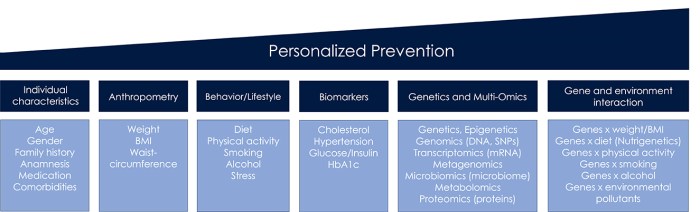
A comprehensive health assessment is crucial for proactive disease prevention. It provides a detailed snapshot of your current health status and helps identify potential health concerns early on, when they are most manageable.
Components of a Personalized Health Assessment
A personalized health assessment encompasses various components designed to provide a holistic view of your health. These components include:
- Medical History:A detailed account of your past and present medical conditions, including any surgeries, medications, allergies, and family history of diseases. This information helps identify potential risk factors and hereditary predispositions.
- Physical Exam:A thorough examination by a healthcare professional to assess your vital signs, such as blood pressure, heart rate, and body mass index (BMI). It also includes a physical examination of your body systems, such as the cardiovascular, respiratory, and musculoskeletal systems.
- Lab Tests:Blood and urine tests are performed to evaluate various biomarkers, such as cholesterol levels, blood sugar, and kidney function. These tests can reveal underlying health issues and provide insights into your overall health status.
- Genetic Testing:Genetic testing analyzes your DNA to identify genetic variations that may increase your risk for certain diseases. This information can be particularly helpful for individuals with a family history of specific conditions.
Common Health Screenings
Regular health screenings are essential for early detection and prevention of diseases. The frequency of these screenings varies based on age and risk factors.
| Screening | Recommended Frequency | Age and Risk Factors |
|---|---|---|
| Blood Pressure | At least every 2 years | Individuals with a family history of hypertension, high cholesterol, or diabetes should have more frequent screenings. |
| Cholesterol | Every 5 years | Individuals with a family history of heart disease or high cholesterol should have more frequent screenings. |
| Blood Sugar | Every 3 years | Individuals with a family history of diabetes, overweight or obese, or with a sedentary lifestyle should have more frequent screenings. |
| Colorectal Cancer | Every 10 years starting at age 50 | Individuals with a family history of colorectal cancer or with certain genetic syndromes should have earlier and more frequent screenings. |
| Breast Cancer | Annual mammograms starting at age 40 | Women with a family history of breast cancer or with certain genetic mutations should have earlier and more frequent screenings. |
| Cervical Cancer | Pap tests every 3 years starting at age 21 | Women who have had a hysterectomy for non-cancerous reasons do not need cervical cancer screening. |
Mental Clarity and Cognitive Health
A sharp mind is not just a gift; it’s a vital component of a healthy life. Maintaining mental clarity and cognitive health is crucial for disease prevention, as it impacts everything from our ability to make informed decisions about our health to our overall quality of life.
Brain Health and Overall Well-being
Our brain is the control center of our body, influencing everything from our mood and sleep to our physical health. A healthy brain is essential for maintaining overall well-being.
Tips for Improving Cognitive Function, How to create a personalized disease prevention plan for long-term health
There are many ways to keep your mind sharp and healthy.
- Engage in Mentally Stimulating Activities:Learning new skills, playing brain games, reading, and engaging in stimulating conversations can help maintain cognitive function.
- Manage Stress:Chronic stress can negatively impact cognitive function. Incorporating stress-management techniques such as meditation, yoga, or spending time in nature can be beneficial.
- Maintain a Healthy Lifestyle:A healthy diet, regular exercise, and adequate sleep are crucial for brain health.
Recognizing Early Signs of Cognitive Decline
It’s important to be aware of early signs of cognitive decline, such as:
- Memory lapses:Forgetting appointments or names more frequently than usual.
- Difficulty concentrating:Struggling to follow conversations or complete tasks.
- Changes in mood or personality:Increased irritability, anxiety, or depression.
If you notice any of these signs, it’s important to consult a healthcare professional for an assessment. Early diagnosis and intervention can significantly improve outcomes.
Emotional Wellbeing for Disease Prevention
Your emotional well-being plays a crucial role in your overall health and disease prevention. When you’re feeling emotionally balanced, you’re better equipped to make healthy choices, cope with stress, and maintain a positive outlook. Conversely, chronic stress, anxiety, and depression can have a detrimental impact on your physical health.
Impact of Stress, Anxiety, and Depression on Health
Stress, anxiety, and depression can significantly impact your physical health. Chronic stress, for instance, can weaken your immune system, making you more susceptible to infections. It can also contribute to high blood pressure, heart disease, and other chronic illnesses. Anxiety can lead to sleep disturbances, digestive problems, and headaches.
Depression, on the other hand, can result in fatigue, weight changes, and even suicidal thoughts.
Promoting Emotional Wellbeing
Here are some tips for promoting emotional well-being:
Practicing Gratitude
Taking time each day to reflect on the things you’re grateful for can help shift your focus to the positive. This can improve your mood, reduce stress, and boost your overall well-being.
Connecting with Loved Ones
Strong social connections are essential for emotional health. Spending time with loved ones, sharing your thoughts and feelings, and offering support to others can provide a sense of belonging and reduce feelings of isolation.
Seeking Professional Support
If you’re struggling with stress, anxiety, or depression, don’t hesitate to seek professional help. A therapist or counselor can provide you with the tools and support you need to manage your emotions and improve your mental health.
Recognizing Early Signs of Emotional Distress
Recognizing the early signs of emotional distress can help you seek help sooner and prevent the situation from worsening. Some common signs include:
Changes in Sleep Patterns
Difficulty falling asleep, waking up frequently, or sleeping too much can be indicators of emotional distress.
Changes in Appetite
Experiencing a loss of appetite or overeating can also be a sign of emotional distress.
Withdrawal from Social Activities
If you find yourself withdrawing from social activities or avoiding contact with loved ones, it could be a sign of emotional distress.
Increased Irritability
Feeling easily frustrated or irritable can be a sign of emotional distress.
Difficulty Concentrating
If you’re having trouble focusing or making decisions, it could be a sign of emotional distress.
Physical Symptoms
Emotional distress can manifest in physical symptoms such as headaches, stomach aches, or muscle tension.
Seeking Professional Help
If you’re experiencing any of the above signs of emotional distress, it’s important to seek professional help. A therapist or counselor can provide you with the support and guidance you need to manage your emotions and improve your mental health.
Cardiovascular Health and Disease Prevention
A healthy heart is crucial for a long and fulfilling life. Cardiovascular disease (CVD) is a leading cause of death globally, but it’s often preventable with lifestyle changes.
Importance of Maintaining Cardiovascular Health
Maintaining cardiovascular health is essential for overall well-being and reducing the risk of heart disease. A healthy heart ensures efficient blood circulation, delivering oxygen and nutrients to all parts of the body. When the heart is compromised, it can lead to various health issues, including heart attack, stroke, and heart failure.
Role of Diet, Exercise, and Stress Management
A balanced diet plays a significant role in cardiovascular health. Foods rich in fruits, vegetables, whole grains, and lean proteins are beneficial. Limiting saturated and trans fats, cholesterol, and added sugars is essential. Regular physical activity strengthens the heart muscle, improves blood flow, and helps control blood pressure and cholesterol levels.
Engaging in at least 150 minutes of moderate-intensity aerobic activity or 75 minutes of vigorous-intensity aerobic activity per week is recommended. Managing stress through relaxation techniques like yoga, meditation, or deep breathing can also positively impact cardiovascular health.
Tips for Improving Cardiovascular Health
- Monitor Blood Pressure Regularly:High blood pressure is a major risk factor for heart disease. Regularly checking your blood pressure can help identify and manage this condition early on.
- Control Cholesterol Levels:High cholesterol levels can lead to plaque buildup in the arteries, increasing the risk of heart disease. Maintaining healthy cholesterol levels through diet and exercise is crucial.
- Quit Smoking:Smoking damages blood vessels and increases the risk of heart disease. Quitting smoking is one of the most effective ways to improve cardiovascular health.
- Maintain a Healthy Weight:Obesity is a significant risk factor for heart disease. Maintaining a healthy weight through diet and exercise can help reduce the risk.
Recognizing Early Signs of Cardiovascular Problems
Early detection and intervention are crucial in managing cardiovascular disease. Some common signs and symptoms include:
- Chest pain or discomfort:This can feel like tightness, pressure, squeezing, or a burning sensation.
- Shortness of breath:Difficulty breathing, especially with exertion, can be a sign of heart problems.
- Fatigue:Unusual tiredness or weakness can be an indicator of heart disease.
- Swelling in the legs or ankles:Fluid buildup in the legs and ankles can be a sign of heart failure.
- Irregular heartbeat:A rapid, fluttering, or skipping heartbeat can indicate heart problems.
- Dizziness or lightheadedness:These symptoms can be caused by low blood pressure or heart rhythm problems.
Seeking Professional Help
If you experience any of the above symptoms, it’s essential to seek medical attention immediately. A healthcare professional can diagnose the underlying cause and recommend appropriate treatment.
Immune Support and Disease Prevention
A robust immune system is your body’s natural defense against illness. It’s a complex network of cells, tissues, and organs that work together to identify and eliminate harmful invaders like bacteria, viruses, and fungi. When your immune system is strong, it can effectively fight off infections and keep you healthy.
Factors that Weaken the Immune System
A weakened immune system can make you more susceptible to infections and diseases. Several factors can contribute to a compromised immune response, including:
- Stress:Chronic stress can suppress the immune system, making it harder to fight off infections. When you’re stressed, your body releases hormones like cortisol, which can interfere with the function of immune cells.
- Poor Nutrition:A diet lacking essential nutrients, such as vitamins, minerals, and antioxidants, can weaken the immune system. These nutrients are crucial for the development and function of immune cells.
- Lack of Sleep:Sleep deprivation can significantly impair immune function. During sleep, your body produces proteins called cytokines that help regulate inflammation and fight infections.
- Age:As you age, your immune system naturally weakens, making you more vulnerable to infections and diseases.
- Certain Medical Conditions:Conditions like diabetes, HIV/AIDS, and autoimmune disorders can weaken the immune system, making it harder to fight off infections.
- Medications:Some medications, such as chemotherapy drugs and corticosteroids, can suppress the immune system.
Boosting Your Immune System
Fortunately, there are several things you can do to strengthen your immune system and improve your overall health:
- Maintain a Healthy Lifestyle:Eating a balanced diet rich in fruits, vegetables, and whole grains, engaging in regular physical activity, and maintaining a healthy weight can all contribute to a strong immune system.
- Get Enough Sleep:Aim for 7-8 hours of quality sleep each night to allow your body to repair and restore itself.
- Manage Stress:Find healthy ways to manage stress, such as exercise, yoga, meditation, or spending time in nature.
- Stay Hydrated:Drinking plenty of water helps flush out toxins and keeps your body functioning optimally.
- Avoid Smoking and Excessive Alcohol Consumption:Smoking and excessive alcohol intake can damage your immune system and increase your risk of infections.
Recognizing Signs of a Weakened Immune System
If you suspect your immune system may be compromised, it’s important to pay attention to any unusual symptoms or changes in your body. Some common signs of a weakened immune system include:
- Frequent Infections:Experiencing more colds, flu, or other infections than usual can indicate a weakened immune system.
- Slow Wound Healing:If wounds take longer than usual to heal, it could be a sign of an impaired immune response.
- Fatigue and Weakness:Persistent fatigue and weakness can be a sign of an underlying immune deficiency.
- Swollen Lymph Nodes:Enlarged lymph nodes, often in the neck, armpits, or groin, can be a sign of an infection or an overactive immune system.
- Recurring Skin Infections:Frequent skin infections, such as boils or eczema, can indicate a weakened immune system.
Seeking Medical Attention
If you experience any of these symptoms, it’s essential to consult with a doctor to rule out any underlying medical conditions and discuss appropriate treatment options.
Nutritional Balance and Disease Prevention
A balanced diet is a cornerstone of long-term health and disease prevention. It provides your body with the essential nutrients it needs to function optimally and resist various health conditions.
Understanding the Role of Nutrients
Nutrients play vital roles in maintaining overall health. Each nutrient contributes to specific bodily functions, and a balanced diet ensures that your body receives the optimal amount of each.
- Carbohydrates:Provide energy for your body’s activities. Choose complex carbohydrates like whole grains, fruits, and vegetables over refined carbohydrates like white bread and sugary drinks.
- Proteins:Build and repair tissues, produce enzymes and hormones, and contribute to immune function. Include lean protein sources like fish, poultry, beans, lentils, and tofu in your diet.
- Fats:Essential for hormone production, cell function, and absorption of certain vitamins. Choose healthy fats like those found in olive oil, avocados, nuts, and fatty fish over saturated and trans fats.
- Vitamins and Minerals:Support various bodily functions, including immune system health, energy production, and bone health. Include a variety of fruits, vegetables, and whole grains to ensure adequate intake of vitamins and minerals.
Creating a Balanced Diet
A balanced diet is not about eliminating entire food groups but rather about making smart choices within each group.
- Fruits and Vegetables:Aim for at least five servings of fruits and vegetables daily. Choose a variety of colors to ensure a wide range of nutrients.
- Whole Grains:Choose whole grains over refined grains. Look for breads, cereals, and pasta made with whole wheat, brown rice, or quinoa.
- Lean Protein:Include lean protein sources like fish, poultry, beans, lentils, and tofu in your diet. Aim for 2-3 servings per day.
- Healthy Fats:Include healthy fats like those found in olive oil, avocados, nuts, and fatty fish in your diet. Limit saturated and trans fats.
- Limit Processed Foods:Processed foods are often high in unhealthy fats, sugar, and salt. Choose whole, unprocessed foods whenever possible.
Recognizing Nutritional Deficiencies
Nutritional deficiencies can manifest in various ways. If you experience any of the following symptoms, consult a healthcare professional:
- Fatigue:Persistent tiredness or lack of energy.
- Hair Loss:Excessive shedding of hair.
- Pale Skin:A lack of color in your skin.
- Brittle Nails:Nails that break easily or have ridges.
- Mouth Sores:Sores or ulcers in your mouth.
- Irritability:Increased mood swings or irritability.
Seeking Professional Help
A registered dietitian or nutritionist can provide personalized guidance on creating a balanced diet that meets your individual needs. They can help you identify any potential nutritional deficiencies and develop a plan to address them.
Last Point
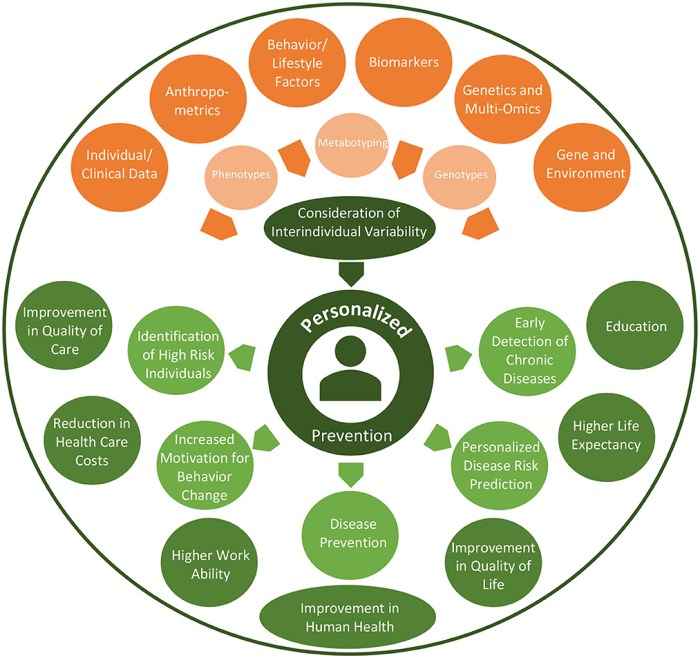
Building a personalized disease prevention plan is a journey, not a destination. It requires ongoing effort, but the rewards are immeasurable. By taking proactive steps to safeguard your health, you can reduce your risk of developing chronic diseases, improve your quality of life, and live a longer, healthier life.
Remember, knowledge is power, and the more you understand about your health, the better equipped you are to make informed choices that empower you to thrive.
FAQ Summary
What are some common risk factors for chronic diseases?
Common risk factors include family history, smoking, unhealthy diet, lack of physical activity, excessive alcohol consumption, and stress.
How often should I get a comprehensive health assessment?
The frequency of health assessments varies depending on age, risk factors, and overall health status. It’s best to consult with your doctor to determine a personalized schedule.
What are some simple lifestyle changes I can make to improve my health?
Start by incorporating regular physical activity, eating a balanced diet, managing stress, and getting enough sleep. Even small changes can make a big difference over time.


More Stories
Improve Sleep: Best Stress Relief Tips for Relaxation
Create a Cardiovascular Health Plan for Long-Term Wellness
Top Health Screenings Recommended for Adults Over 40