Stress Management
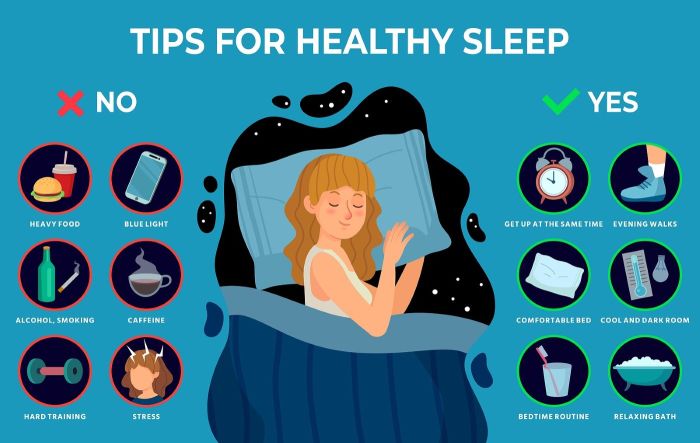
Stress management plays a crucial role in improving sleep quality. By incorporating effective techniques to reduce stress levels, individuals can experience better sleep patterns and overall well-being.
Effective Stress Management Techniques:
- Practice relaxation techniques such as deep breathing, meditation, or yoga to calm the mind and body.
- Engage in regular physical activity to release endorphins and reduce stress hormones.
- Establish a consistent sleep routine to promote relaxation and prepare the body for rest.
- Limit exposure to stressful situations and learn to prioritize tasks to avoid overwhelming feelings.
Reducing Stress Levels and Sleep Patterns:
Stress has a direct impact on sleep patterns, as heightened levels of stress can lead to difficulty falling asleep, staying asleep, or experiencing restful sleep. When stress is managed effectively through relaxation techniques, physical activity, and a structured routine, individuals are more likely to achieve better sleep quality and duration.
Correlation Between Stress and Insomnia:
Stress and insomnia are closely linked, with stress being a common trigger for insomnia. Chronic stress can disrupt the body’s natural sleep-wake cycle, leading to insomnia symptoms such as difficulty falling asleep, waking up frequently during the night, or waking up too early in the morning. By addressing stress through proper management techniques, individuals can alleviate insomnia symptoms and improve their overall sleep health.
Healthy Lifestyle
Adopting a healthy lifestyle plays a crucial role in promoting better sleep quality. By incorporating healthy habits into your daily routine, you can improve your overall well-being and enhance the duration and quality of your sleep.
Examples of Healthy Habits for Restful Sleep
- Avoiding caffeine and heavy meals close to bedtime
- Establishing a consistent sleep schedule
- Creating a relaxing bedtime routine
- Engaging in calming activities before sleep, such as reading or meditation
The Importance of Balanced Diet and Regular Exercise
Maintaining a balanced diet and engaging in regular exercise are essential components of a healthy lifestyle that can significantly impact sleep quality. A nutritious diet rich in fruits, vegetables, whole grains, and lean proteins provides the necessary nutrients to support overall health, including sleep regulation. Regular physical activity can help reduce stress and anxiety, promote relaxation, and contribute to better sleep patterns. By prioritizing a balanced diet and exercise, you can enhance your sleep quality and overall well-being.
Medical Innovations
Healthy lifestyle changes for better sleep – Medical innovations have played a crucial role in addressing sleep disorders and improving overall sleep quality. Through advancements in technology and research, new treatments and tools have been developed to revolutionize the way we approach sleep-related issues.
Advancements in Sleep Treatments
- One significant medical innovation in sleep treatments is the development of continuous positive airway pressure (CPAP) machines. These devices help individuals with sleep apnea by providing a steady stream of air to keep their airways open during sleep.
- Another breakthrough in sleep medicine is the use of oral appliances that can help with conditions like snoring and mild to moderate sleep apnea. These devices are more comfortable and convenient than traditional CPAP machines.
- Medications specifically designed to improve sleep quality and regulate sleep cycles have also been developed, offering relief to individuals struggling with insomnia or other sleep disorders.
Role of Technology in Monitoring Sleep Patterns
- Technological advancements have led to the creation of wearable devices like smartwatches and fitness trackers that can monitor sleep patterns, providing valuable data on sleep duration, quality, and disruptions.
- Apps and software programs have been designed to analyze sleep data collected by these devices, offering insights into sleep habits and suggesting ways to improve sleep hygiene.
- Sleep clinics now utilize advanced monitoring equipment to conduct sleep studies and diagnose various sleep disorders accurately. These tools help healthcare professionals tailor treatment plans to the individual needs of patients.
Nutritional Supplements
When it comes to promoting better sleep, certain nutritional supplements can play a significant role in aiding relaxation and improving sleep quality. These supplements are often used as a natural remedy to help individuals achieve a restful night’s sleep.
Popular Sleep-Enhancing Supplements
- Melatonin: A hormone that regulates the sleep-wake cycle and can be taken as a supplement to improve sleep quality.
- L-theanine: An amino acid found in tea leaves that promotes relaxation and reduces stress, leading to better sleep.
- Magnesium: Helps relax the muscles and calm the nerves, contributing to a more peaceful sleep.
- Valerian root: Known for its sedative properties, valerian root can help improve sleep latency and overall sleep quality.
It’s essential to consult a healthcare professional before incorporating any nutritional supplements into your routine, as they may interact with medications or have adverse effects if not taken correctly.
Fitness Routine
Regular physical activity plays a crucial role in improving the quality of sleep. Exercise helps to regulate hormones, reduce stress levels, and enhance overall well-being, which can lead to better sleep patterns. Creating an effective fitness routine tailored to support better sleep is essential for achieving optimal rest.
Tips for Creating an Effective Fitness Routine
- Set realistic goals: Start with achievable fitness goals that can gradually increase over time.
- Choose activities you enjoy: Engaging in exercises that you like makes it easier to stick to your routine.
- Vary your workouts: Incorporate a mix of cardio, strength training, and flexibility exercises to keep your routine interesting.
- Establish a consistent schedule: Aim to exercise at the same time each day to help regulate your body’s internal clock.
- Listen to your body: Pay attention to how your body responds to different types of workouts and adjust your routine accordingly.
Best Types of Exercises for Promoting Restful Sleep
- Cardiovascular exercises: Activities like running, cycling, or swimming can help reduce stress and anxiety, promoting better sleep.
- Strength training: Building muscle can improve overall health and contribute to better sleep quality.
- Yoga and stretching: Practicing yoga or engaging in stretching exercises can help relax the body and mind, preparing you for a restful night’s sleep.
- Low-impact exercises: Activities such as walking or gentle aerobics can be beneficial for those looking to improve sleep without putting too much strain on the body.
- Interval training: Alternating between high-intensity bursts of exercise and periods of rest can help improve sleep quality and overall fitness levels.
Health Screenings
Health screenings play a crucial role in identifying underlying conditions that may impact sleep quality. Regular check-ups are essential for maintaining overall health and ensuring optimal sleep patterns. By undergoing specific screenings, individuals can detect sleep-related disorders early on, allowing for timely intervention and treatment.
Examples of Screenings for Sleep-Related Disorders
- Polysomnography: A comprehensive sleep study that monitors various bodily functions during sleep, such as brain activity, heart rate, and breathing patterns, to diagnose conditions like sleep apnea.
- Epworth Sleepiness Scale: A questionnaire designed to assess daytime sleepiness and determine the likelihood of conditions like narcolepsy or other sleep disorders.
- Actigraphy: A non-invasive method of monitoring activity levels and sleep-wake patterns over an extended period, aiding in the diagnosis of circadian rhythm disorders.
Disease Prevention
Preventive measures play a crucial role in promoting better sleep and overall well-being. By addressing potential health risks early on, individuals can reduce the likelihood of developing conditions that may disrupt their sleep patterns.
Link Between Diseases and Sleep Disturbances
There is a strong connection between certain diseases and sleep disturbances. Conditions such as heart disease, diabetes, and obesity can impact sleep quality and duration, leading to insomnia, sleep apnea, or other sleep-related issues.
Lifestyle Changes for Prevention
- Establishing a consistent sleep schedule and creating a relaxing bedtime routine can improve sleep quality and reduce the risk of developing sleep disorders.
- Engaging in regular physical activity not only promotes overall health but also contributes to better sleep patterns.
- Following a balanced diet rich in fruits, vegetables, and whole grains can support optimal sleep and help prevent conditions that may affect sleep.
- Managing stress through techniques such as meditation, yoga, or deep breathing exercises can lower the risk of sleep disturbances related to anxiety or tension.
- Seeking regular medical check-ups and screenings to detect any potential health issues early on and address them proactively to prevent sleep-related complications.
Sleep Hygiene: Healthy Lifestyle Changes For Better Sleep
Sleep hygiene refers to a set of practices and habits that are necessary for quality sleep. It involves creating a bedtime routine and an environment that promotes restful sleep. Good sleep hygiene is essential for overall health and well-being.
Practical Tips for Improving Sleep Hygiene Habits
- Avoid caffeine, nicotine, and alcohol close to bedtime as they can disrupt sleep.
- Establish a regular sleep schedule by going to bed and waking up at the same time every day, even on weekends.
- Create a relaxing bedtime routine such as reading a book or taking a warm bath to signal to your body that it’s time to sleep.
- Ensure your sleep environment is dark, quiet, and cool to promote deep and restorative sleep.
- Avoid screen time before bed as the blue light emitted from devices can interfere with your body’s natural sleep-wake cycle.
Impact of a Conducive Sleep Environment on Sleep Quality
Creating a conducive sleep environment can significantly impact the quality of your sleep. A comfortable mattress and pillows, along with a dark and quiet room, can help you fall asleep faster and stay asleep throughout the night. By eliminating distractions and creating a peaceful sleep environment, you can improve the overall quality of your sleep and wake up feeling refreshed and rejuvenated.
Mental Clarity
Good mental clarity and cognitive function are closely tied to the quality of sleep that an individual gets. When you are well-rested and have had adequate sleep, your brain functions at its best, allowing you to think clearly, focus better, and make decisions more effectively.
Benefits of Adequate Sleep on Mental Focus and Productivity
Maintaining good sleep habits and getting enough quality sleep each night can have numerous benefits on your mental clarity, focus, and productivity. Some of the key benefits include:
- Improved concentration and attention span
- Enhanced problem-solving skills
- Better memory retention and learning ability
- Increased creativity and innovative thinking
- Boosted mood and emotional stability
Strategies for Enhancing Mental Clarity through Improved Sleep Habits, Healthy lifestyle changes for better sleep
Taking steps to improve your sleep quality can significantly enhance your mental clarity and cognitive function. Here are some strategies to help you achieve better sleep habits:
- Establish a consistent sleep schedule by going to bed and waking up at the same time every day.
- Create a relaxing bedtime routine to signal to your body that it’s time to wind down and prepare for sleep.
- Avoid stimulants like caffeine and electronics close to bedtime, as they can interfere with your ability to fall asleep.
- Make your sleep environment comfortable, quiet, and dark to promote restful sleep.
- Engage in regular physical activity during the day to help regulate your sleep-wake cycle and improve sleep quality.
- Practice stress-reducing techniques such as meditation, deep breathing, or yoga to calm your mind before bedtime.
Hydration Importance
Proper hydration plays a crucial role in supporting optimal sleep patterns. Dehydration can lead to various sleep disturbances and negatively impact your overall sleep quality. It is essential to maintain proper hydration levels throughout the day to ensure a good night’s rest.
Recommendations for Maintaining Proper Hydration Levels
Here are some recommendations to help you stay hydrated and improve your sleep:
- Drink an adequate amount of water throughout the day. Aim for at least 8-10 glasses of water daily.
- Avoid excessive consumption of caffeinated or alcoholic beverages, as they can contribute to dehydration.
- Include hydrating foods in your diet, such as fruits and vegetables with high water content.
- Carry a reusable water bottle with you to remind yourself to drink water regularly.
Connection Between Dehydration and Sleep Disturbances
Dehydration can disrupt your sleep in various ways:
- Increased risk of nighttime awakenings due to thirst or discomfort.
- Reduced production of melatonin, a hormone that regulates sleep-wake cycles.
- Higher likelihood of experiencing muscle cramps or restless legs syndrome, which can interfere with sleep.
- Dehydration may lead to snoring or dry mouth, further disrupting your sleep quality.
Clarifying Questions
How can stress management techniques improve sleep quality?
Effective stress management techniques like mindfulness and relaxation exercises can help reduce stress levels, leading to better sleep quality.
What are some popular nutritional supplements known for enhancing sleep?
Supplements like melatonin, valerian root, and magnesium are well-known for their sleep-enhancing properties.
How does regular physical activity influence sleep quality?
Engaging in regular physical activity can promote better sleep by helping regulate your body’s sleep-wake cycle and reducing symptoms of insomnia.


More Stories
Hydration and its effects on joint health: Understanding the Impact of Hydration on Joint Function
Hydration and its role in kidney health: Understanding the crucial connection
Herbal remedies for mental clarity: Enhancing cognitive function naturally