Hydration and Joint Health
Hydration and its effects on joint health – Proper hydration plays a crucial role in maintaining healthy joints and overall joint function. Dehydration can have negative effects on joint health, impacting mobility and flexibility. It is essential to understand the relationship between hydration and joint health to ensure optimal well-being.
The Impact of Dehydration on Joint Function
- Dehydration can lead to a decrease in the production of synovial fluid, which acts as a lubricant for joints. This can result in increased friction between bones, causing discomfort and stiffness.
- Without an adequate amount of water, the cartilage in joints may become less resilient and more susceptible to wear and tear. This can accelerate joint degeneration and increase the risk of conditions like osteoarthritis.
- Dehydration can also affect the elasticity of tendons and ligaments, making them more prone to injuries and strains during physical activities.
Benefits of Staying Hydrated for Joint Health
- Maintaining proper hydration levels helps to ensure the production of an adequate amount of synovial fluid, promoting smooth joint movement and reducing the risk of joint pain.
- Hydration supports the delivery of essential nutrients to joint tissues, aiding in repair and regeneration processes to maintain joint health.
- Drinking enough water can help to improve overall joint flexibility and reduce the likelihood of stiffness or discomfort, especially during physical exercise or daily activities.
Importance of Hydration
Hydration plays a crucial role in maintaining optimal joint health. Adequate water intake is essential for various bodily functions, including lubricating joints, regulating body temperature, and transporting nutrients to cells.
Effects of Hydration on Joint Mobility
Proper hydration helps to keep the cartilage around joints healthy and lubricated, allowing for smooth movement and flexibility. When the body is well-hydrated, joints are better able to absorb shock and maintain their range of motion.
- Dehydration can lead to a decrease in the synovial fluid that cushions joints, resulting in increased friction and stiffness. This can impair mobility and make movements uncomfortable or painful.
- On the other hand, sufficient hydration ensures that joints are adequately cushioned and lubricated, reducing the risk of wear and tear on cartilage and preventing pain or discomfort during physical activities.
Comparison of Adequate Hydration vs. Dehydration on Joint Pain
When the body is dehydrated, joints may experience more strain and pressure due to the lack of lubrication and cushioning provided by synovial fluid. This can lead to increased joint pain, stiffness, and reduced mobility.
It is important to drink enough water throughout the day to maintain proper joint function and reduce the risk of joint pain associated with dehydration.
Hydration Tips for Joint Health
Proper hydration is essential for maintaining healthy joints. Here are some tips to help you stay hydrated and support your joint health:
Design a Hydration Plan
Creating a hydration plan tailored to improve joint health involves setting specific goals for daily water intake. Start by determining how much water you need to drink each day based on your weight, activity level, and climate.
Organize Strategies for Increasing Daily Water Intake
- Carry a reusable water bottle with you throughout the day to make it easier to sip water regularly.
- Set reminders on your phone or use an app to track your water intake and ensure you are meeting your hydration goals.
- Drink water before, during, and after exercise to replenish fluids lost through sweating.
Create a List of Hydrating Foods
Incorporating hydrating foods into your diet can also benefit joint function. Some examples of hydrating foods include:
| Hydrating Foods | Benefits for Joint Health |
|---|---|
| Cucumbers | Rich in water content and contain silica, which is important for connective tissue health. |
| Watermelon | High water content and contains lycopene, which has anti-inflammatory properties. |
| Spinach | Hydrating leafy green that is also rich in vitamins and minerals essential for joint health. |
Hydration and Exercise
Proper hydration plays a crucial role in supporting joints during physical activity. Maintaining adequate fluid levels in the body helps to lubricate the joints, reduce friction, and support overall joint health.
Impact of Dehydration on Joint Flexibility and Performance
Dehydration can have a significant impact on joint flexibility and performance. When the body is dehydrated, there is a decrease in the production of synovial fluid, which acts as a lubricant for the joints. This can lead to increased friction between the joint surfaces, causing discomfort, stiffness, and reduced range of motion.
Importance of Proper Hydration Before, During, and After Exercise
It is essential to maintain proper hydration levels before, during, and after exercise to support joint health. Before exercise, hydrating adequately helps prepare the body for physical activity and ensures optimal joint function. During exercise, regular fluid intake helps replace fluids lost through sweat and maintain joint lubrication. After exercise, hydrating helps with recovery, reduces inflammation, and supports the repair of damaged joint tissues.
Hydration and Inflammation
Proper hydration plays a crucial role in reducing joint inflammation and preventing associated pain and discomfort. Dehydration can exacerbate inflammation in the joints, leading to increased stiffness and reduced mobility.
Benefits of Hydration in Reducing Inflammation
- Hydration helps to flush out toxins and waste products that contribute to inflammation in the joints.
- Adequate water intake can maintain the lubrication of the joints, reducing friction and inflammation.
- Proper hydration supports the body’s natural healing processes, aiding in the reduction of inflammation.
Strategies to Maintain Proper Hydration Levels
- Carry a reusable water bottle with you throughout the day to ensure easy access to water.
- Set reminders on your phone or use apps to track your water intake and stay hydrated.
- Incorporate hydrating foods like fruits and vegetables into your diet to supplement your water intake.
- Avoid excessive consumption of caffeinated or sugary beverages, as they can contribute to dehydration.
Link Between Dehydration and Increased Joint Pain
- Dehydration can lead to a decrease in the production of synovial fluid, which lubricates the joints, resulting in increased friction and inflammation.
- Insufficient water intake can also impair the body’s ability to repair damaged joint tissues, leading to prolonged inflammation and pain.
- Chronic dehydration can exacerbate conditions like arthritis, causing more severe joint pain and inflammation.
Hydration and Joint Conditions
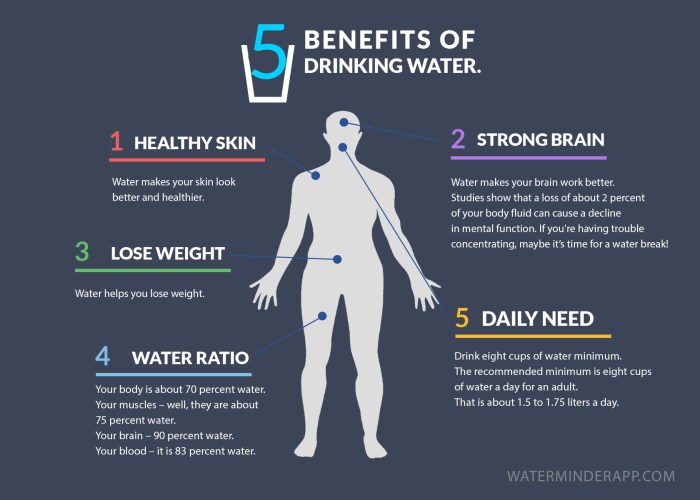
Hydration plays a crucial role in influencing common joint conditions like arthritis. The amount of water we consume directly impacts the health of our joints and can affect the severity of joint disorders.
Role of Hydration in Managing Joint Disorders
Proper hydration is essential in managing symptoms of joint disorders such as arthritis. Water helps to lubricate the joints, reduce friction, and improve overall joint function. Dehydration can lead to stiffness, pain, and inflammation in the joints, exacerbating the symptoms of existing conditions.
Preventing Progression of Joint-related Diseases
Staying hydrated is key in preventing the progression of joint-related diseases. Adequate water intake helps to maintain the elasticity of cartilage, which cushions the joints and prevents wear and tear. By staying hydrated, individuals can reduce the risk of developing more severe joint conditions and maintain better joint health overall.
Hydration and Medication Interactions
When it comes to joint health, the impact of hydration on medication effectiveness is crucial. Hydration levels can significantly influence how well medications work in managing joint conditions.
Importance of Staying Hydrated
Staying hydrated is essential while taking medication for joint conditions as it can help optimize the absorption and distribution of the medication in the body. Adequate hydration ensures that the medication reaches the targeted areas effectively, allowing for better outcomes in managing joint health.
Tips for Managing Hydration Alongside Medication
- Drink plenty of water throughout the day to maintain proper hydration levels.
- Avoid excessive consumption of caffeinated or sugary beverages, as they can contribute to dehydration.
- Consult with your healthcare provider to determine the optimal fluid intake needed based on your medication and condition.
- Monitor your urine color to ensure you are adequately hydrated – pale yellow is a good indicator of proper hydration.
Hydration and Aging Joints
Maintaining proper hydration is crucial for supporting joint health as individuals age. Dehydration can exacerbate joint pain, stiffness, and reduce overall mobility, making it essential for older adults to focus on adequate hydration to support their aging joints.
Challenges Faced by Older Adults
As individuals age, the sensation of thirst may decrease, leading to a decreased intake of fluids. Additionally, certain medical conditions and medications can impact kidney function, making it harder for older adults to retain water. Mobility issues or cognitive impairments can also hinder their ability to access fluids easily, further complicating the hydration process.
Recommendations for Proper Hydration, Hydration and its effects on joint health
- Encourage older adults to carry a water bottle with them throughout the day to remind them to drink regularly.
- Include hydrating foods in their diet, such as fruits, vegetables, and soups, to boost overall water intake.
- Set reminders or establish a routine for drinking fluids, especially if memory or cognitive issues are a concern.
- Monitor urine color to ensure adequate hydration – pale yellow to clear urine indicates proper hydration.
- Consult with a healthcare provider to determine specific fluid intake needs based on individual health conditions and medications.
FAQ Insights: Hydration And Its Effects On Joint Health
How does hydration impact joint health?
Staying hydrated helps lubricate joints, maintain flexibility, and reduce the risk of inflammation, ultimately supporting overall joint health.
What are some hydrating foods beneficial for joint function?
Foods like watermelon, cucumber, and spinach are excellent choices to enhance hydration and support joint health.
Why is hydration crucial for managing joint conditions like arthritis?
Proper hydration can help reduce inflammation and manage symptoms associated with arthritis, potentially slowing down the progression of the disease.
How can hydration affect the effectiveness of medications for joint health?
Ensuring adequate hydration levels can optimize the absorption and distribution of medications, maximizing their benefits for joint conditions.


More Stories
Hydration and its role in kidney health: Understanding the crucial connection
Herbal remedies for mental clarity: Enhancing cognitive function naturally
Health screenings for thyroid disorders: Early Detection and Management