Top Multivitamin Supplements for Daily Health
Multivitamin supplements are a great way to ensure that your body is getting all the essential nutrients it needs on a daily basis. With so many options available in the market, it can be overwhelming to choose the right one for your specific health needs. Let’s take a look at some of the most popular multivitamin supplements and their benefits.
Comparing Top Multivitamin Supplements
- One-A-Day Men’s Health Formula: Contains essential vitamins and minerals tailored specifically for men’s health needs, such as higher doses of Vitamin C, Vitamin E, and Zinc.
- Nature Made Multi for Her: Formulated with key nutrients like Folic Acid, Iron, and Calcium to support women’s overall health, particularly during reproductive years.
- Garden of Life Vitamin Code: Made from raw, whole-food ingredients, this supplement provides a comprehensive blend of vitamins, minerals, and antioxidants for overall well-being.
Importance of Choosing High-Quality Multivitamins
Top multivitamin supplements for daily health – Choosing a high-quality multivitamin is crucial to ensure that you are actually getting the nutrients you need. Cheaper supplements may contain lower quality ingredients that are not as easily absorbed by the body, leading to potential deficiencies.
Investing in a reputable multivitamin can help bridge the gap between what you eat and what your body needs to function optimally.
Recommendations Based on Health Needs
- For Immune Support: Look for multivitamins with high doses of Vitamin C, Vitamin D, and Zinc to boost your immune system.
- For Energy and Vitality: Consider supplements with B Vitamins, Iron, and Magnesium to support energy production and overall vitality.
- For Bone Health: Choose a multivitamin with Calcium, Vitamin D, and Vitamin K to support strong bones and prevent osteoporosis.
Stress Management
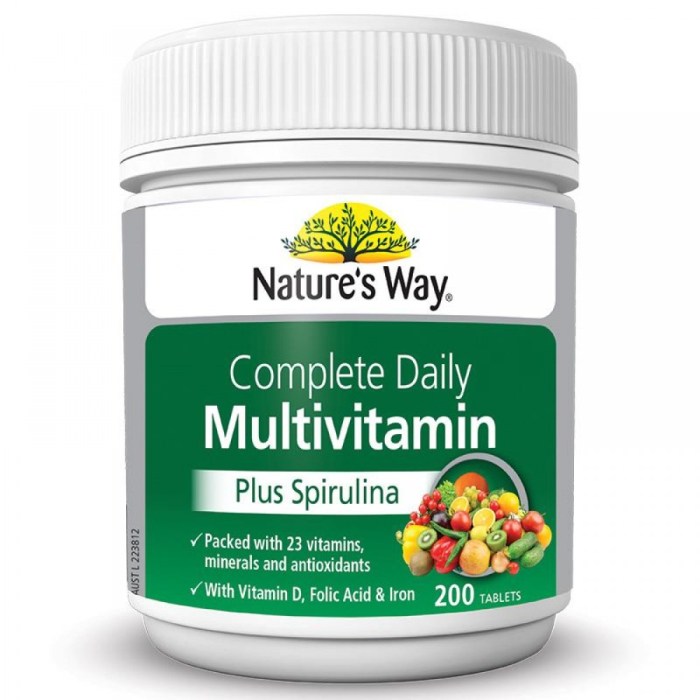
Stress is a common issue that many people face in their daily lives, and it can have a significant impact on overall health and well-being. Multivitamin supplements can play a crucial role in managing stress levels by ensuring that the body has all the essential nutrients it needs to function properly.
Connection between Stress, Nutrient Deficiencies, and Supplementation
When the body is under stress, it can deplete essential nutrients more quickly, leading to nutrient deficiencies. These deficiencies can further exacerbate stress levels and impact overall health. By taking multivitamin supplements, you can help replenish these nutrients and support your body in coping with stress more effectively.
- Key nutrients such as vitamin B complex, magnesium, and vitamin C are known to play a role in managing stress levels and promoting relaxation.
- Supplementation can help bridge the gap between nutrient needs and dietary intake, especially during times of high stress when dietary habits may suffer.
- Consulting with a healthcare provider can help identify specific nutrient deficiencies and determine the appropriate supplements to address them.
Incorporating Stress-Reducing Activities
In addition to taking multivitamin supplements, incorporating stress-reducing activities into your daily routine can further enhance the effectiveness of stress management.
- Regular exercise, meditation, yoga, and deep breathing techniques can help reduce stress levels and promote relaxation.
- Adequate sleep and a healthy diet rich in fruits, vegetables, and whole grains can also support overall well-being and stress management.
- Practicing mindfulness and engaging in hobbies or activities you enjoy can provide a mental break from stressors and promote a sense of calm.
Healthy Lifestyle: Top Multivitamin Supplements For Daily Health
Maintaining a healthy lifestyle involves a combination of factors such as a balanced diet, regular exercise, and adequate rest. Multivitamin supplements play a crucial role in supporting overall health and well-being by providing essential nutrients that may be lacking in our daily diet.
Balanced Diet, Exercise, and Multivitamins
A balanced diet rich in fruits, vegetables, whole grains, lean proteins, and healthy fats is essential for obtaining necessary nutrients for the body to function optimally. However, even with a healthy diet, it can be challenging to meet all the daily nutrient requirements. This is where multivitamin supplements come in, filling the gaps and ensuring that the body gets all the essential vitamins and minerals it needs.
Regular exercise is another key component of a healthy lifestyle. Exercise not only helps in maintaining a healthy weight and improving cardiovascular health but also enhances the absorption of nutrients from food and supplements. When combined with multivitamins, exercise can amplify the benefits of these supplements by promoting overall health and well-being.
Role of Multivitamins in Supporting Optimal Health
- Provide essential nutrients: Multivitamins supply the body with a wide range of vitamins and minerals that are vital for various bodily functions.
- Boost immune system: Certain vitamins like Vitamin C and Vitamin D play a crucial role in supporting the immune system, helping the body fight off infections and illnesses.
- Improve energy levels: B vitamins, such as B12 and B6, are known to help convert food into energy, promoting overall vitality and reducing fatigue.
- Support mental health: Some studies suggest that certain vitamins like B-complex vitamins and Omega-3 fatty acids may help improve mood and reduce symptoms of anxiety and depression.
Medical Innovations
In recent years, the field of multivitamin supplements has seen significant advancements thanks to medical innovations. These innovations have led to the development of more effective and personalized solutions for daily health and well-being.
Advancements in Formulation
One of the key areas of innovation in multivitamin supplements is the formulation process. Manufacturers are now able to include a wider range of vitamins, minerals, and other essential nutrients in their products, ensuring that individuals receive a comprehensive blend of nutrients to support their overall health. These formulations are often tailored to specific age groups, genders, or health conditions, providing targeted support for diverse populations.
Enhanced Delivery Methods
Another notable advancement is in the delivery methods of multivitamin supplements. Technology has allowed for the development of innovative delivery systems such as time-release capsules, chewable tablets, and liquid formulations. These new methods enhance the absorption and bioavailability of nutrients, ensuring that the body can effectively utilize the vitamins and minerals provided by the supplements.
Personalized Multivitamin Solutions
With the advent of technology, personalized multivitamin solutions have become increasingly popular. Through genetic testing and advanced algorithms, individuals can now receive customized multivitamin recommendations based on their unique genetic makeup, lifestyle factors, and health goals. This personalized approach ensures that individuals are getting the specific nutrients they need, tailored to their individual needs and deficiencies.
Overall, these medical innovations have revolutionized the multivitamin supplement industry, paving the way for more effective and personalized solutions that can support daily health, stress management, and a healthy lifestyle.
Nutritional Supplements
When it comes to nutritional supplements, it’s important to understand the distinction between multivitamins and other types of supplements.
Difference between Multivitamin Supplements and Other Nutritional Supplements
While multivitamin supplements contain a combination of essential vitamins and minerals, other nutritional supplements may focus on specific nutrients such as omega-3 fatty acids, probiotics, or antioxidants.
Importance of a Balanced Diet
It’s crucial to emphasize that taking multivitamins should not be a substitute for a balanced diet. A healthy diet rich in fruits, vegetables, whole grains, lean proteins, and healthy fats provides essential nutrients that supplements may not fully replicate.
Choosing the Right Combination of Nutritional Supplements
When considering additional supplements alongside a balanced diet, it’s essential to consult with a healthcare provider or a nutritionist to determine individual health needs. Factors such as age, gender, lifestyle, and specific health conditions play a role in selecting the right combination of supplements.
Fitness Routine
When it comes to maintaining a fitness routine, multivitamin supplements can play a crucial role in supporting individuals in achieving their health and wellness goals.
Role of Multivitamins in Fitness
Integrating multivitamin supplements into your fitness routine can provide various benefits that contribute to improved muscle recovery, sustained energy levels, and enhanced overall performance.
- Vitamins like Vitamin C and E can help reduce muscle soreness and inflammation, speeding up the recovery process after intense workouts.
- B vitamins, including B6 and B12, are essential for converting food into energy, helping to fuel your workouts and support endurance.
- Minerals like magnesium and zinc play a role in muscle function and repair, aiding in the maintenance of muscle mass and strength.
Integrating Multivitamins into Your Routine
For maximum benefits, consider taking your multivitamin supplements at strategic times in relation to your workouts.
- Pre-workout: Consuming multivitamins before your workout can help provide the necessary nutrients and energy to fuel your exercise session.
- Post-workout: Taking multivitamins after your workout can support muscle recovery and replenish depleted nutrients, aiding in the repair and growth of muscle tissue.
Health Screenings
Taking multivitamin supplements can have a direct impact on the results of health screenings and overall health outcomes. Deficiencies detected in these screenings can often be addressed through targeted multivitamin supplementation. Here are some recommendations on when to consider adjusting your multivitamin intake based on screening results:
Addressing Nutritional Deficiencies
- Health screenings can reveal deficiencies in essential vitamins and minerals such as Vitamin D, B vitamins, and iron.
- Supplementing with a multivitamin that contains the nutrients you are deficient in can help restore optimal levels and support overall health.
- Consult with a healthcare provider to determine the appropriate dosage and duration of supplementation based on your specific needs.
Monitoring Health Conditions
- Health screenings may also detect underlying health conditions that could benefit from specific nutrients or vitamins.
- Adjusting your multivitamin intake to include targeted supplements for conditions like high blood pressure, diabetes, or heart disease can support your overall health management.
- Regularly review screening results with your healthcare provider to assess whether adjustments to your multivitamin regimen are needed.
Disease Prevention
Multivitamin supplements play a crucial role in preventing certain diseases and health conditions by providing essential vitamins and minerals that are often lacking in our diets. These supplements can help boost the immune system, improve overall health, and reduce the risk of various illnesses.
Role of Specific Vitamins and Minerals
- Vitamin C: Known for its immune-boosting properties, vitamin C helps the body fight off infections and reduce the duration of colds. It also acts as an antioxidant, protecting cells from damage.
- Vitamin D: Essential for bone health and immune function, vitamin D deficiency has been linked to an increased risk of certain diseases, including heart disease and autoimmune disorders.
- Zinc: This mineral plays a key role in immune function and wound healing. It can help reduce the severity and duration of colds and other respiratory infections.
Holistic Approach to Disease Prevention, Top multivitamin supplements for daily health
A holistic approach to disease prevention involves not only taking multivitamin supplements but also maintaining a healthy diet, engaging in regular exercise, managing stress, getting enough sleep, and avoiding harmful habits like smoking and excessive alcohol consumption. When combined with a balanced lifestyle, multivitamin supplementation can further support overall health and reduce the risk of chronic diseases.
Sleep Hygiene
Sleep hygiene plays a crucial role in overall health, and certain vitamins and minerals found in multivitamin supplements can actually help promote better sleep quality. Adequate sleep is essential for optimal functioning during the day, as it affects cognitive performance, mood, and overall well-being.
Vitamins and Minerals for Better Sleep
- Magnesium: This mineral helps relax muscles and calm the nervous system, promoting relaxation before bedtime. It can also help regulate melatonin, the hormone that controls sleep-wake cycles.
- Vitamin B6: This vitamin is involved in the production of neurotransmitters like serotonin, which plays a role in regulating mood and sleep. Adequate levels of B6 can improve sleep quality.
- Vitamin D: Deficiency in vitamin D has been linked to sleep disturbances. Supplementing with vitamin D can help improve sleep quality and regulate circadian rhythms.
Creating a Bedtime Routine
- Consistent Bedtime: Establish a consistent bedtime and wake-up time to regulate your body’s internal clock.
- Limit Screen Time: Avoid screens (phones, tablets, computers) at least an hour before bed, as the blue light can interfere with melatonin production.
- Relaxation Techniques: Incorporate relaxation techniques like deep breathing, meditation, or gentle yoga into your bedtime routine to help calm the mind and body.
- Multivitamin Intake: Take your multivitamin supplement as part of your bedtime routine, ensuring you get the necessary nutrients for better sleep.
Mental Clarity
Taking multivitamin supplements can play a significant role in supporting cognitive function and mental clarity. These supplements are formulated with essential vitamins and minerals that are crucial for brain health and optimal cognitive performance.
Connection between Nutrient Deficiencies and Cognitive Decline
- Research has shown that nutrient deficiencies, such as vitamin B12, folate, and vitamin D, can contribute to cognitive decline and impair brain function.
- These deficiencies can lead to issues like memory loss, poor concentration, and decreased mental clarity.
- By incorporating multivitamin supplements into your daily routine, you can help bridge the nutritional gaps that may be impacting your cognitive health.
Personal Experiences and Testimonials
“After incorporating a multivitamin supplement into my daily regimen, I noticed a significant improvement in my mental clarity and focus. I felt more alert, productive, and able to tackle tasks with ease.”
“I had been experiencing brain fog and forgetfulness, but after starting a multivitamin, I saw a positive change in my cognitive function. I was able to think more clearly and stay sharp throughout the day.”
Hydration Importance
Proper hydration plays a crucial role in the effectiveness of multivitamin supplements. When our bodies are well-hydrated, vitamins and minerals are better absorbed and utilized, maximizing their benefits.
Relationship with Hydration
Maintaining adequate hydration levels is essential for the body to properly absorb and utilize the nutrients from multivitamin supplements. Water is necessary for various bodily functions, including digestion, circulation, and nutrient transportation. Dehydration can hinder the absorption of vitamins and minerals, reducing the effectiveness of supplementation.
- Drink plenty of water throughout the day to ensure optimal hydration levels.
- Consider consuming hydrating foods such as fruits and vegetables with high water content.
- Avoid excessive intake of diuretic beverages like coffee and alcohol, which can dehydrate the body.
- Monitor your urine color – clear or light yellow indicates proper hydration, while dark yellow may signal dehydration.
- Set reminders or carry a water bottle to stay hydrated consistently.
Clarifying Questions
Can multivitamins replace a balanced diet?
No, multivitamins should complement a balanced diet, not replace it. They provide additional nutrients that may be lacking in your diet.
Are there any side effects of taking multivitamin supplements daily?
When taken as recommended, multivitamins are generally safe. However, some individuals may experience side effects such as upset stomach or allergic reactions.
How do I choose the right multivitamin for my specific health needs?
Consider factors like age, gender, dietary restrictions, and health goals when selecting a multivitamin. Consulting a healthcare professional can also help determine the best option for you.


More Stories
Disease prevention through regular health check-ups: Vital for overall well-being
Workplace stress management techniques: Effective Strategies for a Healthier Work Environment