Hydration Importance
Hydration and its role in kidney health – Proper hydration plays a crucial role in maintaining kidney health. The kidneys rely on an adequate intake of fluids to function optimally and perform their vital functions.
Supporting Kidney Function
When the body is well-hydrated, the kidneys can effectively filter waste and toxins from the blood, regulate blood pressure, and maintain electrolyte balance. Sufficient hydration ensures that the kidneys can concentrate urine properly and prevent the formation of kidney stones.
Impact of Dehydration
On the other hand, dehydration can significantly impact kidney health. A lack of fluids can lead to a decrease in blood flow to the kidneys, impairing their ability to filter waste and maintain overall function. Chronic dehydration may increase the risk of kidney disease and other complications.
Stress Management
Stress can significantly impact hydration levels in the body. When a person is stressed, the body releases hormones like cortisol, which can lead to increased urine output and dehydration. This can disrupt the body’s natural balance of fluids and electrolytes, affecting kidney function in the long run.
Connection between Stress, Hydration, and Kidney Health
- Stress-induced dehydration can put pressure on the kidneys, as they need an adequate amount of water to function properly.
- Dehydration caused by stress can lead to the formation of kidney stones, as the concentrated urine can crystallize and form solid masses.
- Prolonged dehydration due to stress can also impair kidney function and increase the risk of developing chronic kidney disease.
Stress Management Techniques for Better Hydration and Kidney Health
- Practice relaxation techniques such as deep breathing, meditation, or yoga to reduce stress levels and prevent dehydration.
- Ensure you are drinking enough water throughout the day, especially during stressful periods, to maintain proper hydration levels.
- Eat a balanced diet rich in fruits and vegetables, which contain water and electrolytes that can help with hydration and kidney health.
- Get an adequate amount of sleep to help the body recover from stress and support kidney function.
Healthy Lifestyle
Maintaining a healthy lifestyle is crucial for overall hydration and kidney health. By incorporating good habits into our daily routine, we can support our body’s natural functions and prevent dehydration-related issues.
Dietary Choices for Hydration
- Drink an adequate amount of water throughout the day. Aim for at least 8-10 glasses of water daily.
- Include hydrating foods in your diet such as fruits (e.g., watermelon, oranges) and vegetables (e.g., cucumber, spinach).
- Avoid excessive consumption of caffeinated or sugary beverages, as they can lead to dehydration.
- Limit intake of salty and processed foods, which can contribute to water retention and kidney strain.
Physical Activity and Kidney Health
Regular physical activity plays a significant role in supporting kidney health through hydration. Exercise helps improve blood flow and circulation, aiding in the efficient filtering of waste products by the kidneys. Additionally, sweating during physical activity helps regulate body temperature and eliminates toxins, promoting overall hydration.
Medical Innovations
In the realm of kidney health, medical innovations play a crucial role in enhancing hydration and overall well-being. These advancements not only focus on improving hydration levels but also aim to optimize kidney function for better health outcomes.
Smart Hydration Monitoring Devices
Smart hydration monitoring devices have revolutionized the way we track and manage our fluid intake. These innovative tools utilize technology to provide real-time data on hydration levels, allowing individuals to make informed decisions about their water consumption. By monitoring hydration status closely, these devices can help prevent dehydration, a common issue that can impact kidney function.
- Smart water bottles equipped with sensors that track water intake throughout the day.
- Wearable hydration monitors that analyze sweat composition to determine hydration needs.
- Mobile apps that sync with hydration devices to provide personalized hydration recommendations.
By utilizing smart hydration monitoring devices, individuals can take proactive steps to maintain optimal hydration levels, ultimately benefiting their kidney health.
Nanotechnology in Kidney Health
Recent advancements in nanotechnology have shown promising results in improving kidney function and hydration management. Nanoparticles are being used to deliver targeted therapies to the kidneys, addressing specific issues related to hydration imbalance and kidney health.
- Nanoparticle-based drug delivery systems designed to enhance the effectiveness of hydration-related medications.
- Nanotechnology-enabled diagnostic tools for early detection of kidney issues related to hydration status.
- Nanosensors that can detect changes in hydration levels and provide real-time feedback for personalized hydration management.
The integration of nanotechnology in kidney health not only offers innovative treatment options but also opens up new possibilities for precision hydration management tailored to individual needs.
Nutritional Supplements
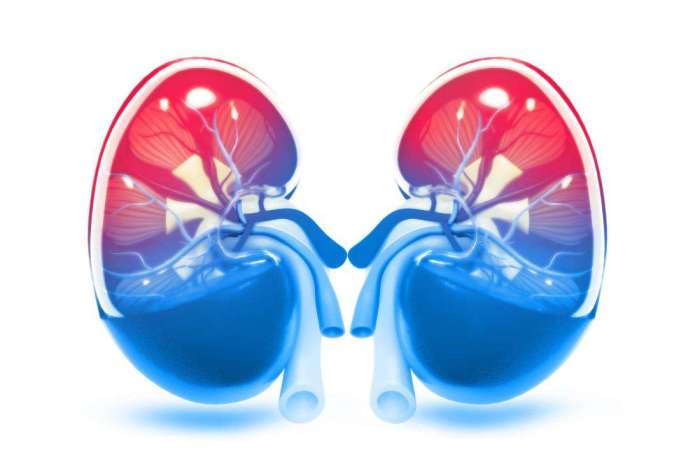
In addition to maintaining proper hydration levels, incorporating specific nutritional supplements can play a crucial role in supporting kidney health. These supplements can provide essential nutrients that help optimize kidney function and overall well-being.
Electrolytes and Hydration
Electrolytes are minerals like sodium, potassium, calcium, and magnesium that play a vital role in maintaining proper hydration levels in the body. These minerals help regulate fluid balance, muscle function, and nerve signaling, which are all essential for kidney health.
- Sodium: Sodium helps maintain fluid balance in the body by regulating water levels. However, excessive sodium intake can lead to fluid retention and high blood pressure, which can negatively impact kidney function.
- Potassium: Potassium is crucial for proper muscle and nerve function, including the muscles in the urinary tract that help regulate kidney function. Low potassium levels can lead to muscle weakness and impaired kidney function.
- Calcium: Calcium plays a role in blood clotting, muscle function, and bone health. Adequate calcium intake is essential for overall health, including kidney function.
- Magnesium: Magnesium helps maintain proper muscle and nerve function, including the muscles in the bladder and urinary tract. It also plays a role in bone health and energy production.
Recommendations for Incorporating Nutritional Supplements
When considering incorporating nutritional supplements to improve hydration and support kidney health, it is essential to consult with a healthcare professional or a registered dietitian. They can provide personalized recommendations based on individual needs and health conditions. Some general tips for incorporating nutritional supplements include:
- Balanced Diet: Focus on consuming a balanced diet rich in fruits, vegetables, whole grains, lean proteins, and healthy fats to ensure adequate nutrient intake.
- Supplement Guidance: Discuss with a healthcare professional about the specific supplements that may benefit your kidney health and hydration levels. They can recommend appropriate dosages and brands.
- Hydration: Stay properly hydrated by drinking an adequate amount of water throughout the day. This is essential for overall health and kidney function.
- Monitor Symptoms: Keep track of any changes in symptoms or side effects after starting a new supplement regimen. Consult with a healthcare professional if you experience any adverse reactions.
Fitness Routine
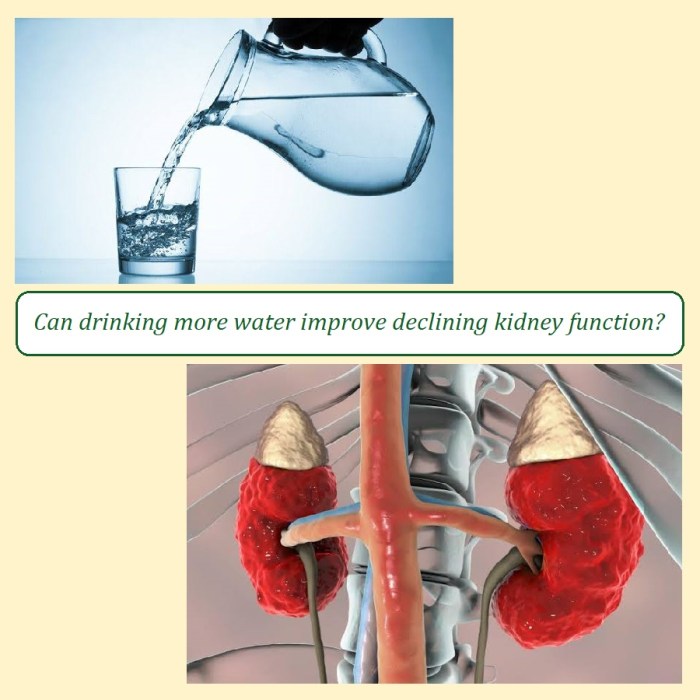
Regular exercise plays a crucial role in maintaining overall health, including kidney function and hydration levels. Let’s explore how exercise impacts hydration and kidney health, as well as the importance of staying properly hydrated during and after workouts.
Exercise Impact on Hydration and Kidney Function
Regular physical activity increases sweat production, leading to fluid loss and the need for increased hydration. During exercise, the body’s temperature rises, prompting the release of sweat to cool down. This process can result in dehydration if fluid losses are not adequately replenished. Dehydration can strain the kidneys and hinder their ability to effectively filter waste from the blood. Proper hydration is essential to support kidney function and maintain overall health.
- Adjusting Hydration Levels Based on Workout Intensities:
- For light to moderate exercise, aim to drink water before, during, and after the workout to maintain hydration levels.
- During intense or prolonged exercise, consider consuming electrolyte-rich beverages to replenish lost minerals and fluids.
Importance of Hydration in Post-Exercise Recovery for Kidney Health
After completing a workout, it’s crucial to rehydrate to support kidney function and aid in the recovery process. Proper hydration helps flush out toxins and waste products from the body, reducing the burden on the kidneys. Replenishing fluids lost during exercise also helps maintain electrolyte balance and prevent dehydration-related complications. Adequate post-exercise hydration promotes overall kidney health and supports optimal functioning.
Health Screenings
Regular health screenings play a crucial role in monitoring kidney function and hydration status. These screenings help detect any abnormalities early on, allowing for timely intervention and management.
Tests for Hydration Levels and Kidney Health
- Urinalysis: This test examines the urine for abnormalities that may indicate hydration status and kidney function. It can detect issues such as dehydration or kidney infections.
- Blood Tests: Blood tests can measure creatinine and urea levels, which are indicators of kidney function. Abnormal levels may suggest kidney problems.
- GFR (Glomerular Filtration Rate) Test: This test calculates how well the kidneys are filtering waste from the blood. A lower GFR may indicate kidney disease.
Importance of Regular Health Screenings
Regular health screenings are essential for the early detection of hydration-related issues that can impact kidney health. By monitoring hydration levels and kidney function through these tests, healthcare providers can intervene early to prevent or manage potential complications.
Disease Prevention
Proper hydration is crucial in preventing kidney-related diseases. By maintaining adequate fluid intake, you can support optimal kidney function and reduce the risk of developing various conditions.
Role of Hydration in Kidney Disease Prevention
- Dehydration can lead to the formation of kidney stones, as urine becomes more concentrated and mineral buildup occurs.
- Chronic dehydration may contribute to the development of urinary tract infections (UTIs) which can eventually affect kidney health.
- Proper hydration helps to flush out toxins and waste products from the kidneys, reducing the risk of kidney damage.
Sleep Hygiene
Good sleep hygiene practices are essential for overall health, including kidney function and hydration levels. Proper sleep quality is crucial for the body to regulate various processes, including hydration and kidney health.
Connection between Sleep Quality, Hydration, and Kidney Health
- Quality sleep allows the body to maintain a balance of hormones that regulate fluid levels, impacting hydration.
- Poor sleep can lead to imbalances in these hormones, potentially affecting kidney function and the body’s ability to properly filter waste and regulate electrolytes.
- Chronic sleep deprivation has been linked to an increased risk of kidney disease and other related health issues.
Impact of Sleep Hygiene on Hydration Levels and Kidney Function, Hydration and its role in kidney health
- Establishing a consistent sleep schedule can help regulate hormone levels that play a role in hydration and kidney function.
- Avoiding caffeine and heavy meals close to bedtime can promote better sleep quality, indirectly benefiting kidney health and hydration.
- Creating a relaxing bedtime routine and optimizing sleep environment can improve overall sleep hygiene, positively impacting hydration and kidney function.
Tips for Improving Sleep Habits
- Set a consistent sleep schedule and aim for 7-9 hours of quality sleep each night.
- Avoid screens and stimulating activities before bed to promote relaxation and better sleep quality.
- Create a calming bedtime routine, such as reading or meditating, to signal to your body that it’s time to sleep.
- Ensure your sleep environment is comfortable, cool, and dark to optimize restful sleep.
- If sleep issues persist, consider consulting a healthcare professional for further evaluation and guidance.
Mental Clarity
Maintaining mental clarity is crucial for overall well-being, and proper hydration plays a significant role in supporting cognitive function and kidney health.
Relationship between Hydration, Mental Clarity, and Kidney Health
Proper hydration is essential for optimal brain function and kidney health. Dehydration can lead to a decrease in cognitive performance, such as difficulty concentrating, memory problems, and mood changes. Additionally, inadequate hydration can strain the kidneys, as they require sufficient water intake to effectively filter waste and toxins from the body.
- Hydration supports the flow of nutrients and oxygen to the brain, enhancing cognitive function.
- Water helps regulate body temperature, which can impact mental alertness and focus.
- Proper hydration maintains the balance of electrolytes, which are essential for nerve function and communication within the brain.
Effects of Dehydration on Cognitive Function and Kidney Health
Dehydration can have detrimental effects on both cognitive function and kidney health. When the body lacks adequate water, the brain may shrink temporarily, leading to difficulties in decision-making, problem-solving, and overall cognitive performance. Moreover, dehydration can hinder kidney function by reducing blood flow to the kidneys and impairing their ability to remove waste and maintain proper electrolyte balance.
- Dehydration can cause headaches, fatigue, and irritability, impacting mental clarity and focus.
- Prolonged dehydration can increase the risk of kidney stones and urinary tract infections.
- Chronic dehydration may contribute to the development of kidney disease over time.
Strategies for Maintaining Mental Clarity through Proper Hydration Practices
To support mental clarity and kidney health, it is essential to prioritize hydration as part of your daily routine. Here are some strategies to help you stay adequately hydrated:
- Drink water regularly throughout the day, aiming for at least 8-10 glasses.
- Monitor your urine color to ensure it is pale yellow, indicating proper hydration.
- Include hydrating foods such as fruits, vegetables, and soups in your diet.
- Avoid excessive consumption of caffeinated or alcoholic beverages, as they can contribute to dehydration.
- Carry a reusable water bottle with you to encourage consistent water intake.
Detailed FAQs: Hydration And Its Role In Kidney Health
How much water should I drink daily for optimal kidney health?
It’s generally recommended to drink at least 8-10 cups (64-80 ounces) of water per day to support kidney function and overall health.
Can certain foods help with hydration and kidney health?
Absolutely! Foods like watermelon, cucumbers, and leafy greens are high in water content and can contribute to your daily hydration needs while supporting kidney health.
Is it true that caffeinated beverages can dehydrate you and impact kidney function?
Caffeine is a mild diuretic, which means it can lead to increased urination. While moderate consumption of caffeinated drinks is generally fine, excessive intake may affect hydration levels and potentially strain the kidneys.


More Stories
Hydration and its effects on joint health: Understanding the Impact of Hydration on Joint Function
Herbal remedies for mental clarity: Enhancing cognitive function naturally
Health screenings for thyroid disorders: Early Detection and Management