Stress Management
Stress can have a significant impact on thyroid health as it can disrupt the production of thyroid hormones, leading to imbalances in the body. Individuals with thyroid disorders may experience heightened symptoms when under stress, making it essential to manage stress effectively.
Effective Stress Management Techniques
- Practice relaxation techniques such as deep breathing, meditation, or yoga to reduce stress levels.
- Engage in regular physical activity to release endorphins and improve overall mood.
- Ensure adequate sleep to allow the body to rest and recharge, promoting better stress management.
- Seek support from friends, family, or a therapist to talk about feelings and emotions, reducing stress levels.
Importance of Mindfulness and Relaxation Techniques
- Practicing mindfulness can help individuals with thyroid disorders stay present and focused, reducing anxiety and stress levels.
- Engaging in relaxation techniques such as progressive muscle relaxation or guided imagery can promote a sense of calm and relaxation, benefiting overall well-being.
- Regularly incorporating mindfulness and relaxation techniques into daily routines can help maintain a healthy balance and reduce the impact of stress on thyroid health.
- Ultrasound Imaging: High-resolution ultrasound imaging has become a standard tool for evaluating thyroid nodules and determining their characteristics.
- Molecular Testing: Genetic testing can help identify specific genetic mutations associated with thyroid cancer, providing valuable information for treatment decisions.
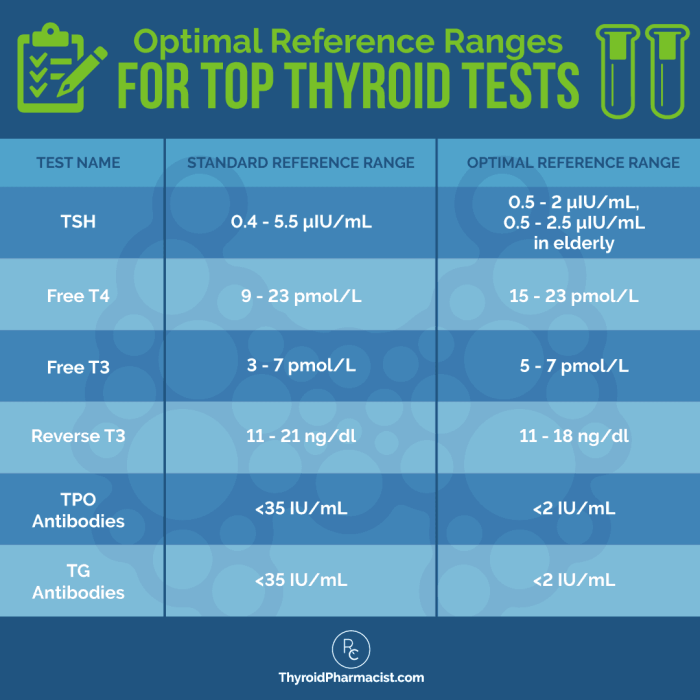
- Thyroid Function Tests: Advanced blood tests can assess thyroid hormone levels with high accuracy, aiding in the diagnosis of thyroid conditions.
- Iodine: Essential for thyroid hormone production. Consult a healthcare provider before supplementing as excessive iodine intake can have negative effects.
- Selenium: Helps regulate thyroid hormone synthesis and metabolism. It also has antioxidant properties.
- Zinc: Supports thyroid function and helps in the conversion of the thyroid hormone T4 to T3.
- Vitamin D: Plays a role in thyroid hormone production and immune function.
- Regular physical activity can help regulate hormone levels and improve thyroid function.
- Exercise can aid in weight management, which is often a challenge for individuals with thyroid disorders.
- Physical activity can reduce stress and anxiety, common symptoms associated with thyroid conditions.
- Improving cardiovascular health through exercise can benefit individuals with thyroid disorders.
- It is important for individuals with thyroid conditions to find a balance in exercise intensity to avoid exacerbating symptoms.
- Low to moderate-intensity exercises such as walking, yoga, or swimming are generally recommended for individuals with thyroid disorders.
- High-intensity workouts may be suitable for some individuals, but it is essential to consult with a healthcare provider or a fitness professional before engaging in such activities.
- Listening to the body and adjusting the exercise routine based on energy levels and overall well-being is key to maintaining a healthy fitness regimen with a thyroid condition.
- Thyroid Function Tests: These tests measure the levels of thyroid hormones (T3 and T4) and thyroid-stimulating hormone (TSH) in the blood to assess thyroid function.
- Thyroid Ultrasound: This imaging test helps visualize the thyroid gland and detect any abnormalities such as nodules or enlargement.
- Fine Needle Aspiration (FNA) Biopsy: In cases of suspicious nodules, a biopsy may be performed to analyze the cells for signs of cancer.
- Avoid exposure to excessive amounts of iodine, as it can disrupt thyroid function. Consult with a healthcare provider to determine the appropriate level of iodine intake.
- Follow a balanced diet rich in nutrients essential for thyroid health, such as selenium, zinc, and vitamin D.
- Engage in regular physical activity to support metabolism and overall well-being.
- Manage stress effectively through techniques like meditation, yoga, or deep breathing exercises.
- Genetics can play a role in predisposing individuals to thyroid disorders. Understanding your family history of thyroid issues can help in early detection and prevention.
- Regular screenings and monitoring of thyroid function can aid in identifying potential risks based on genetic factors.
- Consult with a healthcare provider or genetic counselor to assess your genetic predisposition to thyroid disorders and develop a prevention plan accordingly.
- Ensure adequate intake of essential nutrients like iodine, selenium, and zinc through a balanced diet or supplements if needed.
- Avoid smoking and limit alcohol consumption, as these habits can negatively impact thyroid function.
- Get regular exercise to support metabolism and overall thyroid health.
- Stay hydrated and maintain a healthy weight to reduce the risk of thyroid disorders.
- Avoid caffeine and stimulants close to bedtime.
- Establish a regular sleep schedule and stick to it.
- Create a relaxing bedtime routine to signal to your body that it’s time to sleep.
- Ensure your sleep environment is dark, quiet, and at a comfortable temperature.
- Avoid screens such as smartphones and computers before bed as the blue light can interfere with melatonin production.
- Ensure regular thyroid screenings to monitor hormone levels and adjust medication if needed.
- Follow a balanced diet rich in nutrients that support thyroid health, such as iodine, selenium, and zinc.
- Engage in regular exercise to boost metabolism and improve blood flow to the brain.
- Practice stress management techniques to reduce cortisol levels, which can impact thyroid function.
- Get an adequate amount of quality sleep to support overall brain function and cognitive abilities.
- Dehydration can slow down the metabolism, making it harder for the thyroid gland to function optimally.
- Water is necessary for the conversion of the inactive thyroid hormone T4 to the active form T3, which is vital for regulating metabolism.
- Proper hydration can also help in the elimination of toxins and waste products from the body, supporting overall thyroid health.
- Consult with your healthcare provider to determine the appropriate daily water intake based on your individual needs and health status.
- Factors such as age, weight, activity level, and climate can influence the amount of water needed to stay hydrated.
- Monitoring your urine color and frequency can also help you assess your hydration status and adjust your water intake accordingly.
- Proper hydration can help regulate body temperature, support digestion, and improve energy levels.
- Water is essential for nutrient absorption and transport, ensuring that essential vitamins and minerals reach the cells, including those involved in thyroid function.
- Staying hydrated can also help prevent symptoms of fatigue, brain fog, and mood swings commonly associated with thyroid disorders.
Healthy Lifestyle
Maintaining a healthy lifestyle is crucial for promoting thyroid health. This includes making smart choices when it comes to diet, exercise, and habits like smoking and alcohol consumption.
Role of Diet
A balanced diet rich in nutrients like iodine, selenium, and zinc is essential for supporting thyroid function. Include foods like fish, nuts, seeds, and leafy greens to ensure your thyroid gets the necessary nutrients it needs to function properly.
Role of Exercise
Regular physical activity can help regulate hormone levels and boost metabolism, which is beneficial for thyroid health. Aim for a mix of cardiovascular exercises, strength training, and flexibility exercises to keep your body in top shape.
Avoiding Smoking and Excessive Alcohol
Smoking can interfere with thyroid hormone production and increase the risk of thyroid disorders. Similarly, excessive alcohol consumption can disrupt hormone levels and impact thyroid function. It’s best to limit or avoid these habits to maintain optimal thyroid health.
Medical Innovations
Medical innovations in the field of thyroid disorders have greatly improved the accuracy of diagnosis and treatment. These advancements are paving the way for more efficient and effective healthcare solutions for patients with thyroid conditions.
Advancements in Medical Technology
Recent advancements in medical technology have revolutionized the way thyroid disorders are diagnosed. From the development of more precise imaging techniques to the use of cutting-edge genetic testing, healthcare professionals now have a wide array of tools at their disposal to accurately identify thyroid issues in patients.
Improved Accuracy in Thyroid Screenings
The integration of these medical innovations has significantly improved the accuracy of thyroid screenings. By combining multiple diagnostic tools and techniques, healthcare providers can now offer more precise and personalized care to patients with thyroid disorders. This enhanced accuracy not only leads to more effective treatment plans but also reduces the likelihood of misdiagnosis or unnecessary interventions.
Future Potential of Medical Innovations
As medical technology continues to advance, the future potential for treating thyroid conditions looks promising. Innovations such as targeted therapies, personalized medicine, and artificial intelligence-driven diagnostics hold great promise for improving outcomes and quality of life for individuals with thyroid disorders. By harnessing the power of these advancements, healthcare professionals can further optimize treatment strategies and provide better care for patients in the years to come.
Nutritional Supplements
Health screenings for thyroid disorders – When it comes to supporting thyroid function, certain key nutritional supplements can play a crucial role. However, it is important to consult a healthcare provider before incorporating any supplements into your routine to ensure they are safe and appropriate for your individual health needs.
Key Nutritional Supplements for Thyroid Function
Importance of Consulting a Healthcare Provider
It is crucial to consult a healthcare provider before taking any supplements for thyroid health to avoid potential interactions with medications or underlying health conditions. Your healthcare provider can also help determine the appropriate dosage and monitor your progress to ensure the supplements are effective.
Complementing Traditional Thyroid Treatments
Nutritional supplements can complement traditional thyroid treatments by addressing specific nutrient deficiencies that may impact thyroid function. When used in conjunction with medication or other therapies, supplements can support overall thyroid health and improve treatment outcomes.
Fitness Routine
Regular exercise is crucial for individuals with thyroid disorders as it can help improve overall health and manage symptoms effectively. Engaging in a well-rounded fitness routine can have a positive impact on thyroid health by boosting metabolism, reducing inflammation, and promoting better mood and energy levels. It is important to tailor the exercise routine to suit individual needs and capabilities, taking into consideration the type and severity of the thyroid condition.
Benefits of Regular Physical Activity
Balancing Exercise Intensity, Health screenings for thyroid disorders
Health Screenings
Regular health screenings play a crucial role in detecting thyroid disorders early and managing overall thyroid health effectively. There are several types of health screenings available for thyroid disorders, each serving a specific purpose in diagnosis and treatment.
Types of Health Screenings for Thyroid Disorders
Importance of Regular Thyroid Screenings
Regular thyroid screenings are essential for early detection of thyroid disorders, as many thyroid conditions can be asymptomatic in the early stages. Early diagnosis allows for prompt treatment, preventing complications and ensuring better outcomes for patients.
Contribution of Health Screenings to Overall Thyroid Health Management
Routine health screenings not only aid in diagnosing thyroid disorders but also help monitor the effectiveness of treatment and disease progression. By tracking thyroid hormone levels and gland health over time, healthcare providers can adjust treatment plans accordingly, optimizing thyroid health management for individuals.
Disease Prevention
Preventing thyroid disorders is crucial for maintaining overall health and well-being. Lifestyle choices play a significant role in reducing the risk of developing thyroid issues. Additionally, understanding the genetic factors that influence thyroid health can help individuals take proactive steps to prevent such disorders. Here are some strategies for preventing thyroid disorders through lifestyle choices and maintaining a healthy thyroid.
Strategies for Preventing Thyroid Disorders
Role of Genetics in Thyroid Disease Prevention
Tips for Maintaining a Healthy Thyroid
Sleep Hygiene
Proper sleep hygiene is crucial for supporting thyroid health as it plays a significant role in regulating thyroid function.
Connection between Sleep Quality and Thyroid Function
Quality sleep is essential for the proper functioning of the thyroid gland. During sleep, the body repairs and rejuvenates itself, including the thyroid gland. Lack of quality sleep can disrupt the production of thyroid hormones, leading to imbalances and potential thyroid disorders.
Tips for Improving Sleep Hygiene
Impact of Sleep Disorders on Thyroid Disorders
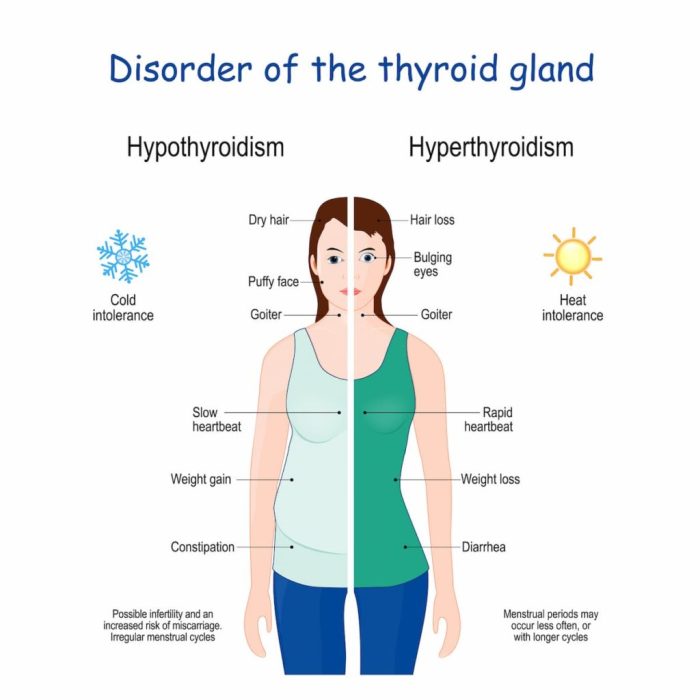
Sleep disorders such as insomnia or sleep apnea can have a negative impact on thyroid function. Disrupted sleep patterns can lead to hormonal imbalances, affecting the production and regulation of thyroid hormones. In turn, thyroid disorders such as hypothyroidism or hyperthyroidism can also contribute to sleep disturbances, creating a vicious cycle that can be challenging to break without addressing both issues simultaneously.
Mental Clarity: Health Screenings For Thyroid Disorders
Thyroid health plays a crucial role in mental clarity, as the thyroid gland produces hormones that regulate metabolism, energy levels, and brain function. When the thyroid is not functioning optimally, it can impact cognitive abilities and mental sharpness.
Relationship between Thyroid Health and Mental Clarity
Optimal thyroid function is essential for maintaining mental clarity. Thyroid hormones influence neurotransmitters in the brain, affecting mood, concentration, and memory. An imbalance in thyroid hormones can lead to cognitive symptoms such as brain fog, forgetfulness, and difficulty concentrating.
Strategies for Enhancing Mental Clarity through Thyroid Management
Cognitive Symptoms Associated with Thyroid Disorders and Their Management
Thyroid disorders such as hypothyroidism and hyperthyroidism can manifest with cognitive symptoms like memory problems, difficulty concentrating, and mood swings. Proper management of thyroid disorders through medication, lifestyle modifications, and regular monitoring can help alleviate these cognitive symptoms and improve mental clarity.
Hydration Importance
Proper hydration plays a crucial role in maintaining overall health, including thyroid function. Dehydration can negatively impact the thyroid gland’s ability to produce hormones, leading to potential imbalances and health issues.
Hydration Levels and Thyroid Function
Adequate hydration is essential for supporting thyroid function. When the body is dehydrated, it can affect the production and conversion of thyroid hormones, potentially leading to symptoms of hypothyroidism or hyperthyroidism.
Remember to drink at least 8-10 glasses of water per day to ensure proper hydration and support thyroid function.
Recommended Daily Water Intake for Individuals with Thyroid Disorders
For individuals with thyroid disorders, it is especially important to maintain adequate hydration levels to support thyroid health.
Role of Adequate Hydration in Supporting Overall Thyroid Health
Hydration is not only important for thyroid function but also plays a significant role in overall health and well-being.
Frequently Asked Questions
Can stress impact thyroid health?
Yes, stress can negatively affect thyroid function by disrupting hormone levels and exacerbating symptoms.
What are some key nutritional supplements for supporting thyroid function?
Key supplements like iodine, selenium, and vitamin D play a crucial role in maintaining thyroid health.
How can exercise benefit individuals with thyroid disorders?
Regular physical activity can boost metabolism, improve mood, and enhance overall thyroid function.


More Stories
Hydration and its effects on joint health: Understanding the Impact of Hydration on Joint Function
Hydration and its role in kidney health: Understanding the crucial connection
Herbal remedies for mental clarity: Enhancing cognitive function naturally