Benefits of Bioengineering in Medical Devices
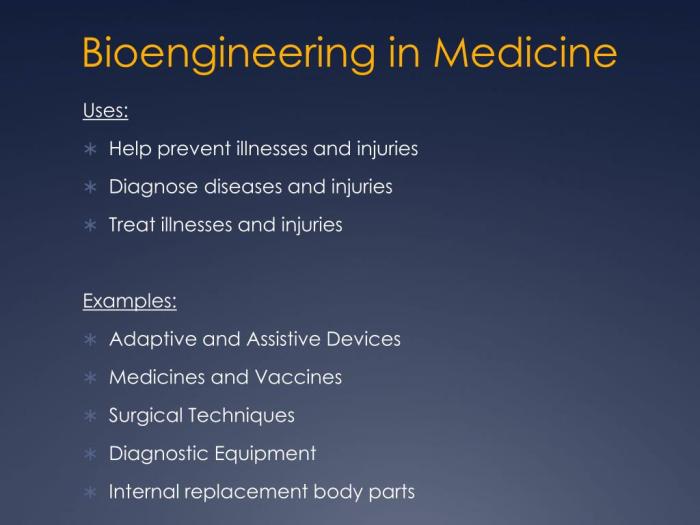
Bioengineering in medical devices involves the application of engineering principles to design, develop, and improve devices used in healthcare. By integrating biological knowledge with engineering techniques, bioengineered medical devices offer innovative solutions to enhance patient care and treatment outcomes.
Revolutionizing Medical Device Technology
Bioengineering has revolutionized medical device technology by introducing cutting-edge advancements such as:
- Implantable devices with biomimetic properties that seamlessly integrate with the body’s tissues.
- Bioelectronic devices that can monitor and regulate physiological functions in real-time.
- Biodegradable devices that eliminate the need for additional surgeries for removal.
Advantages of Bioengineered Medical Devices
Bioengineered medical devices offer several advantages over traditional devices, including:
- Enhanced biocompatibility, reducing the risk of rejection and infection.
- Precision targeting of specific tissues or organs for improved treatment outcomes.
- Customizable design options to meet individual patient needs and anatomical variations.
Enhancing Effectiveness and Efficiency, Benefits of bioengineering in medical devices
Bioengineering enhances the effectiveness and efficiency of medical devices through:
- Optimized drug delivery systems that ensure targeted therapy with minimal side effects.
- Improved diagnostic tools with higher accuracy and sensitivity for early disease detection.
- Enhanced durability and longevity of devices, reducing the need for frequent replacements.
Stress Management
Benefits of bioengineering in medical devices – Stress management is crucial for maintaining overall health and well-being. The ability to cope with stress effectively can have a profound impact on both physical and mental health.
Importance of Stress Management
Effective stress management techniques are essential for reducing the negative impact that stress can have on the body and mind. Chronic stress has been linked to a variety of health issues, including heart disease, high blood pressure, and depression. By learning how to manage stress, individuals can improve their quality of life and prevent the onset of these serious health conditions.
Strategies and Techniques for Stress Management
- Practice mindfulness and meditation to calm the mind and reduce anxiety.
- Engage in regular physical activity, such as yoga or jogging, to release endorphins and alleviate stress.
- Establish healthy boundaries and learn to say no to excessive commitments or responsibilities.
- Ensure adequate sleep and relaxation time to recharge both mentally and physically.
- Seek social support from friends, family, or a therapist to talk about stressors and gain perspective.
Impact of Stress on Physical and Mental Health
Stress can manifest physically through symptoms like headaches, muscle tension, and digestive issues. It can also take a toll on mental health, leading to anxiety, depression, and irritability. Long-term stress can weaken the immune system and increase the risk of developing chronic conditions.
Real-Life Examples of Stress Management Success
- John started practicing mindfulness and meditation daily, which helped him reduce his work-related stress and improve his overall mood.
- Sarah prioritized self-care and established boundaries in her personal life, resulting in decreased anxiety levels and better sleep quality.
- Michael joined a support group to share his struggles with stress and found comfort in connecting with others facing similar challenges.
Healthy Lifestyle

Living a healthy lifestyle involves making choices that benefit your overall well-being, including physical, mental, and emotional health. By incorporating healthy habits into your daily routine, you can improve your quality of life and reduce the risk of developing chronic diseases.
Components of a Healthy Lifestyle
- Eating a balanced diet rich in fruits, vegetables, whole grains, and lean proteins.
- Engaging in regular physical activity, such as cardio, strength training, and flexibility exercises.
- Prioritizing adequate sleep to allow your body to rest and recharge.
- Practicing stress management techniques like meditation, deep breathing, or yoga.
- Maintaining strong social connections and fostering positive relationships.
Tips for Maintaining a Healthy Lifestyle
- Plan and prepare healthy meals in advance to avoid unhealthy food choices.
- Schedule regular exercise sessions and mix up your routine to stay motivated.
- Set aside time for relaxation and self-care activities to reduce stress levels.
- Stay hydrated by drinking an adequate amount of water throughout the day.
- Seek professional help if needed, such as a nutritionist, personal trainer, or therapist.
Benefits of Adopting a Healthy Lifestyle
- Increased longevity and improved quality of life.
- Reduced risk of chronic conditions like heart disease, diabetes, and obesity.
- Enhanced mental well-being, leading to lower levels of anxiety and depression.
- Better overall energy levels and productivity in daily activities.
- Improved self-esteem and body image through taking care of your health.
Success Stories of Lifestyle Transformations
“After adopting a healthier lifestyle by eating nutritious foods and exercising regularly, Jane lost 50 pounds and no longer requires medication for high blood pressure.”
“By incorporating mindfulness practices and yoga into his daily routine, John successfully managed his stress levels and improved his sleep quality.”
Medical Innovations
Medical innovations play a crucial role in advancing healthcare and improving patient outcomes. From breakthrough medical devices to cutting-edge treatments, these innovations are shaping the future of medicine.
Recent Breakthroughs in Medical Devices
- Artificial intelligence-powered diagnostic tools are revolutionizing the way diseases are detected and treated, leading to earlier intervention and improved outcomes.
- 3D printing technology is enabling the creation of customized implants and prosthetics, enhancing patient comfort and recovery.
- Implantable devices like pacemakers and insulin pumps are becoming smaller, smarter, and more efficient, providing patients with better quality of life.
Impact of Technology on Healthcare
- Telemedicine and remote monitoring tools are increasing access to care for patients in rural or underserved areas, reducing healthcare disparities.
- Robotic-assisted surgeries are improving precision and reducing recovery times, leading to shorter hospital stays and lower complication rates.
- Virtual reality and augmented reality are being used for pain management and rehabilitation, offering non-pharmacological alternatives for patients.
Nutritional Supplements
Nutritional supplements play a crucial role in supporting overall health and well-being by providing essential vitamins, minerals, and nutrients that may be lacking in a person’s diet.
Benefits of Key Nutritional Supplements
- Omega-3 fatty acids: Omega-3 supplements are beneficial for heart health, reducing inflammation, and supporting brain function.
- Vitamin D: Vitamin D supplements help in maintaining strong bones, supporting immune function, and reducing the risk of certain diseases.
- Probiotics: Probiotic supplements aid in gut health, digestion, and immune system function by promoting the growth of beneficial bacteria in the gut.
Choosing Quality Supplements and Incorporating them into a Balanced Diet
When selecting nutritional supplements, it is essential to choose reputable brands that undergo rigorous testing for quality and purity. It is also important to consult with a healthcare provider before adding any new supplements to your routine to ensure they are safe and appropriate for your individual needs. To incorporate supplements into a balanced diet, consider taking them with meals to enhance absorption and effectiveness.
Potential Risks and Interactions of Nutritional Supplements
- Interactions with medications: Some supplements may interact with certain medications, affecting their efficacy or causing harmful side effects. It is crucial to inform your healthcare provider about all supplements you are taking to avoid potential interactions.
- Overdosing: Taking high doses of certain supplements can lead to toxicity and adverse effects on health. Always follow recommended dosages and guidelines provided by healthcare professionals.
Fitness Routine
Regular physical activity is crucial for maintaining overall health and well-being. It not only helps in managing weight but also reduces the risk of chronic diseases, improves mood, and boosts energy levels. Designing an effective fitness routine tailored to individual needs and goals is essential for long-term success.
Importance of Regular Physical Activity
Engaging in regular physical activity has numerous benefits for both physical and mental health. It can improve cardiovascular health, strengthen muscles and bones, enhance flexibility, and promote better sleep quality. Additionally, exercise releases endorphins, which are known as “feel-good” hormones that can help reduce stress and anxiety.
Tips for Designing an Effective Fitness Routine
- Set realistic goals: Start by setting achievable goals that align with your fitness level and schedule.
- Include variety: Incorporate a mix of cardio, strength training, and flexibility exercises to target different muscle groups and prevent boredom.
- Listen to your body: Pay attention to how your body responds to exercise and adjust your routine accordingly to prevent injuries.
- Stay consistent: Consistency is key to seeing results, so aim to exercise regularly, even if it’s just for a short duration each day.
Benefits of Different Types of Exercises
Cardio exercises like running, swimming, or cycling improve cardiovascular health and help burn calories. Strength training exercises such as lifting weights or bodyweight exercises help build muscle mass and increase metabolism. Flexibility exercises like yoga or Pilates improve range of motion and reduce the risk of injuries.
Success Stories
“I used to struggle with low energy levels and poor sleep, but ever since I started a consistent fitness routine that includes a mix of cardio and strength training, I feel more energized and focused throughout the day.” – Sarah
“After incorporating flexibility exercises like yoga into my fitness routine, I noticed a significant improvement in my posture and overall flexibility, which has helped alleviate my back pain.” – John
Health Screenings
Regular health screenings play a crucial role in preventive healthcare by detecting potential health issues early and improving treatment outcomes. These screenings can help identify risk factors, monitor overall health, and prevent the progression of diseases.
Types of Health Screenings
- General Health Screenings: Include blood pressure checks, cholesterol tests, and diabetes screenings.
- Cancer Screenings: Such as mammograms for breast cancer, colonoscopies for colorectal cancer, and PSA tests for prostate cancer.
- Age-specific Screenings: Like bone density scans for osteoporosis in older adults and developmental screenings for children.
- Genetic Screenings: Identify genetic mutations that increase the risk of certain conditions.
Scheduling and Preparation
- Consult with your healthcare provider to determine which screenings are appropriate for your age, gender, and family history.
- Follow any fasting or preparation guidelines provided before specific screenings, such as fasting before a cholesterol test.
- Keep a record of your screening schedule and results for future reference and follow-up.
Impact of Early Detection
Regular health screenings can lead to early detection of health issues, allowing for timely intervention and treatment. Early detection often results in better treatment outcomes, reduced healthcare costs, and improved quality of life. By staying proactive and attending regular screenings, individuals can take control of their health and well-being.
Disease Prevention
Preventing diseases through lifestyle choices and proactive healthcare is crucial for maintaining overall well-being. By taking preventive measures and staying proactive, individuals can reduce their risk of developing common chronic diseases like diabetes, heart disease, and cancer.
Importance of Lifestyle Choices
Healthy lifestyle choices such as maintaining a balanced diet, regular exercise, managing stress, and getting enough sleep play a significant role in disease prevention. These habits can help in controlling weight, reducing inflammation, and improving overall health.
Preventive Measures for Chronic Diseases
- Maintaining a healthy weight through diet and exercise can help prevent diabetes and heart disease.
- Regular screenings for cancer, such as mammograms and colonoscopies, can aid in early detection and treatment.
- Managing cholesterol and blood pressure levels can lower the risk of heart disease and stroke.
Role of Vaccinations and Screenings
- Immunizations play a crucial role in preventing infectious diseases like flu, measles, and hepatitis.
- Screenings for conditions like cervical cancer (Pap smears) and skin cancer can detect abnormalities early on.
- Regular blood tests can help in monitoring conditions like diabetes and high cholesterol.
Benefits of Early Intervention
Early intervention and lifestyle modifications can significantly impact disease prevention by addressing risk factors before they escalate. By identifying potential health issues early on, individuals can take necessary steps to mitigate risks and improve their overall health outcomes.
Sleep Hygiene
Sleep hygiene refers to a set of practices and habits that are necessary for quality sleep and overall well-being. It involves creating a conducive environment, establishing a consistent bedtime routine, and adopting healthy behaviors to optimize the quantity and quality of sleep.
Impact on Overall Health
Maintaining good sleep hygiene is crucial for overall health as it plays a vital role in physical, mental, and emotional well-being. Adequate and restful sleep is essential for cognitive function, mood regulation, immune system function, and overall productivity.
- Avoid stimulants like caffeine and nicotine close to bedtime.
- Create a comfortable sleep environment with a cool temperature, minimal noise, and darkness.
- Establish a consistent sleep schedule by going to bed and waking up at the same time every day.
Consequences of Poor Sleep Hygiene
Poor sleep hygiene can lead to a variety of health issues, including fatigue, irritability, impaired cognitive function, weakened immune system, and an increased risk of chronic conditions such as obesity, diabetes, and cardiovascular diseases. It can also contribute to mental health disorders like depression and anxiety.
- Limit exposure to screens and electronic devices before bedtime.
- Avoid large meals, alcohol, and intense exercise close to bedtime.
- Practice relaxation techniques such as deep breathing or meditation to promote sleep.
Strategies for Addressing Sleep Disorders
Common sleep disorders such as insomnia, sleep apnea, and restless leg syndrome can significantly impact sleep quality and overall health. Seeking professional help from healthcare providers, undergoing sleep studies, and exploring treatment options like cognitive-behavioral therapy or medication can help manage these disorders effectively.
- Consult a healthcare provider if experiencing persistent sleep disturbances or symptoms of a sleep disorder.
- Follow a bedtime routine that promotes relaxation and signals the body to prepare for sleep.
- Implement strategies to reduce stress and anxiety, which can interfere with sleep quality.
Mental Clarity
Having mental clarity is crucial for cognitive function and emotional well-being. It allows individuals to think clearly, make sound decisions, and manage stress effectively.
Importance of Mental Clarity
Enhancing mental clarity is essential for overall well-being. It helps individuals stay focused, improve memory retention, and maintain a positive outlook on life.
- Practicing mindfulness techniques, such as meditation and deep breathing, can help clear the mind and reduce mental clutter.
- Engaging in cognitive exercises, like puzzles or brain games, can challenge the brain and improve cognitive function.
- Getting an adequate amount of sleep and staying hydrated are also key factors in maintaining mental clarity.
Influence on Decision-Making and Productivity
Mental clarity positively impacts decision-making and productivity in various aspects of life.
- Clear thinking allows individuals to weigh options effectively and make informed decisions.
- Improved focus and concentration lead to increased productivity and efficiency in tasks.
- Reduced mental fog enhances creativity and problem-solving skills.
Connection to Overall Health Outcomes
Mental clarity is closely linked to overall health outcomes and can significantly impact physical health.
- Reducing stress through mental clarity can lower the risk of developing chronic conditions such as heart disease and hypertension.
- Enhanced mental clarity promotes better sleep quality, which is essential for overall health and well-being.
- Positive mental health contributes to a stronger immune system and faster recovery from illnesses.
Hydration Importance
Staying hydrated is crucial for maintaining optimal bodily functions and overall health. Water plays a vital role in various physiological processes and helps in regulating body temperature, aiding digestion, and transporting nutrients and oxygen throughout the body.
Daily Water Intake and Signs of Dehydration
It is recommended to drink at least 8-10 cups of water per day to meet the body’s hydration needs. Signs of dehydration include dark urine, dry mouth, fatigue, dizziness, and headaches. It is essential to listen to your body and ensure you are consuming an adequate amount of water daily.
Benefits of Proper Hydration
- Improved Physical Performance: Proper hydration can enhance athletic performance, endurance, and muscle function.
- Enhanced Cognitive Function: Staying hydrated is essential for maintaining focus, concentration, and cognitive abilities.
- Healthy Skin: Drinking enough water can promote healthy skin by keeping it hydrated and reducing the risk of skin disorders.
Tips for Maintaining Hydration
- Carry a reusable water bottle with you throughout the day to remind yourself to drink water regularly.
- Set reminders on your phone or use hydration tracking apps to monitor your water intake.
- Include hydrating foods in your diet, such as fruits and vegetables with high water content.
- Drink water before, during, and after physical activity to prevent dehydration.
FAQ Section
How has bioengineering impacted the effectiveness of medical devices?
Bioengineering has significantly enhanced the effectiveness of medical devices by allowing for more precise customization and improved compatibility with the human body.
What are some examples of bioengineered medical devices?
Examples include artificial organs, prosthetics, and advanced imaging technologies that have revolutionized patient care and treatment outcomes.
Why choose bioengineered medical devices over traditional ones?
Bioengineered devices offer superior performance, reduced risk of complications, and better integration with biological systems, leading to enhanced overall outcomes.


More Stories
Hydration and its effects on joint health: Understanding the Impact of Hydration on Joint Function
Hydration and its role in kidney health: Understanding the crucial connection
Herbal remedies for mental clarity: Enhancing cognitive function naturally